

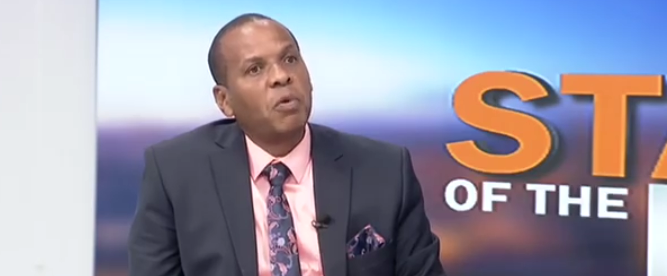
What began as a promising investment deal ended in a devastating financial loss for Tana River Senator Danson Mungatana, who lost nearly KSh 76 million and his seven-bedroom Karen home after trusting a man who promised high investment returns.
The case dates back to around 2011 when Mungatana was introduced to Abdoulaye Tamba Kouro through a mutual contact, Mohammed Amin. Kouro allegedly claimed he could multiply money using special investment techniques and traditional healing practices.
To test the arrangement, the senator initially gave KSh 500,000, which was reportedly returned doubled within weeks. Encouraged, he later invested KSh 5 million, which was also allegedly doubled. These early returns built strong trust and convinced him the system was legitimate.
Mungatana then escalated his investment, selling and mortgaging his luxury Karen mansion valued at about KSh 70 million and adding personal savings as well as contributions from relatives. In total, he handed over approximately KSh 76 million in cash transactions, all without receipts or formal documentation.
Shortly after receiving the large sums, Kouro allegedly disappeared, leaving the senator unable to recover his money or property.
Investigators later arrested Kouro in a Westlands apartment in Nairobi, where police reportedly recovered counterfeit foreign currency worth nearly KSh 1 billion. He was charged with fraud, forgery, and obtaining money by false pretences.
During court proceedings, Mungatana testified about the financial damage and the strain the incident caused within his family, including the breakdown of his marriage.
The case was handled at Milimani Law Courts by Ben Mark Ekhubi. In October 2023, the court acquitted Kouro of the specific charge involving the KSh 76 million fraud due to insufficient evidence and lack of corroboration on the cash transactions. However, he was convicted on other charges, including possession of counterfeit currency, forgery, and a separate fraud case involving another businessman, and sentenced to four years in prison.
The case is widely seen as a classic long-con scam, where small early returns are used to build trust before victims are pushed into large investments. Authorities continue to warn that offers promising unusually high returns without documentation are often fraudulent, and even educated professionals can fall victim when trust is exploited.