

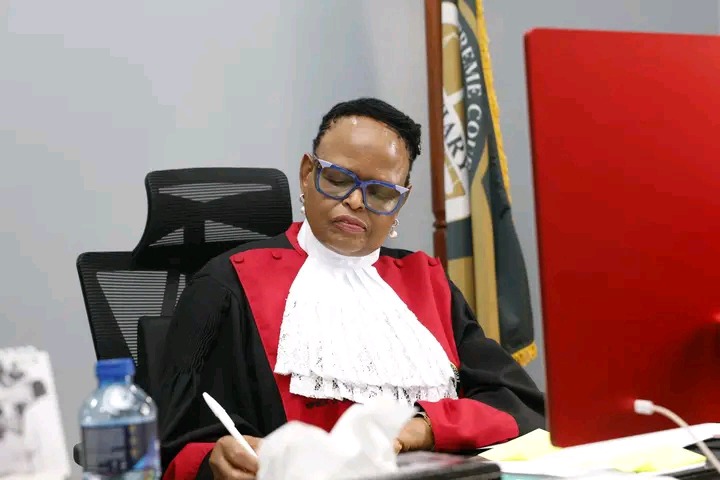
Chief Justice Martha Koome has urged Kenyans to reject bribery when arrested for traffic offences, saying corruption undermines justice, endangers lives on roads, and weakens public trust in law enforcement institutions mandated to protect citizens daily across the country nationwide.
Speaking during a judicial outreach forum, Koome warned that paying bribes fuels reckless driving, shields offenders from accountability, and contributes to rising accidents, injuries, and fatalities witnessed on major highways, urban streets, and rural roads every year in the country.
She emphasized that traffic laws exist to save lives, urging motorists, boda boda riders, and pedestrians to obey rules, accept lawful penalties, and use established court processes instead of illegal payments that distort fairness and encourage impunity within society today.
The Chief Justice noted that suspects arrested for violations like speeding, drunk driving, or dangerous overtaking have a constitutional right to due process, transparent charges, and fair hearings, stressing that bribery erodes these protections and perpetuates inequality across the system.
Koome also challenged police officers to uphold integrity, reminding them that demanding or accepting bribes is a criminal offence, punishable under Kenyan law, and that ethical enforcement improves road safety, professionalism, and cooperation between citizens and authorities nationwide every day.
According to official statistics, traffic accidents remain a leading cause of death in Kenya, with experts linking corruption on roads to poor compliance, unsafe vehicles, and untrained drivers, making the fight against bribery a public safety priority for all.
Her call resonated with civil society groups, who urged Kenyans to report corruption, use digital payment systems for fines, and support reforms, saying collective responsibility, vigilance, and courage can transform traffic enforcement and restore confidence in justice systems nationwide.
By Newshub