

The resolution of the industrial action that disrupted operations at Jomo Kenyatta International Airport has been followed by a major leadership shake-up at Kenya Airways, with the airline’s board removing Captain George Kamal as acting Group Managing Director and Chief Executive Officer.
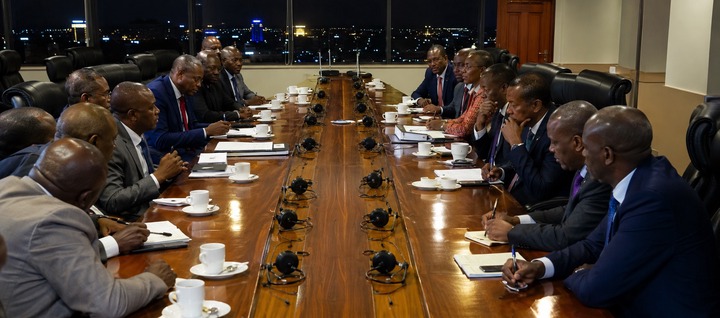
The decision came after intense overnight negotiations involving Cabinet Secretaries Davis Chirchir and Alfred Mutua, who helped broker an agreement to end the aviation workers’ strike. The industrial action had caused significant disruptions at Kenya’s main international aviation hub, leaving passengers facing delays and affecting flight operations for three consecutive days.
Shortly after the government-brokered talks, the Kenya Airways Board of Directors convened and appointed Habil Waswani as the airline’s interim Group MD and CEO. Waswani, who previously served as the company secretary and director of legal services, has now taken charge of the carrier as it works to restore normal operations.
Captain Kamal had been serving as acting CEO while also retaining his responsibilities as Chief Operating Officer. His removal means he will no longer exercise executive authority over the airline’s day-to-day leadership, bringing an abrupt end to his tenure in the acting position.
The leadership change comes at a critical moment for Kenya Airways. The strike had created substantial operational pressure, with flight disruptions affecting the movement of passengers and placing additional strain on an airline already working to strengthen its financial and operational position.
The board has recognized Kamal’s role in helping stabilize the airline during previous challenges, even as it moves to establish a new permanent leadership structure. A competitive recruitment process is expected to be undertaken to identify a substantive Group Managing Director and CEO.
Meanwhile, Waswani’s immediate task is to oversee operational recovery and ensure business continuity as airport workers resume their duties. His appointment is expected to provide interim leadership while the airline addresses the consequences of the disruption and works toward restoring confidence among passengers, employees and other stakeholders.
The swift management change underscores the seriousness of the recent disruption and the pressure on Kenya Airways to maintain stability at a time when reliable operations at JKIA remain crucial to Kenya’s international connectivity.
With the strike brought to an end, attention has now shifted to clearing accumulated flight backlogs and returning services to normal. Under Waswani’s interim leadership, Kenya Airways will also face the broader challenge of strengthening its operations and implementing measures aimed at preventing similar disruptions from causing prolonged instability in the future.