

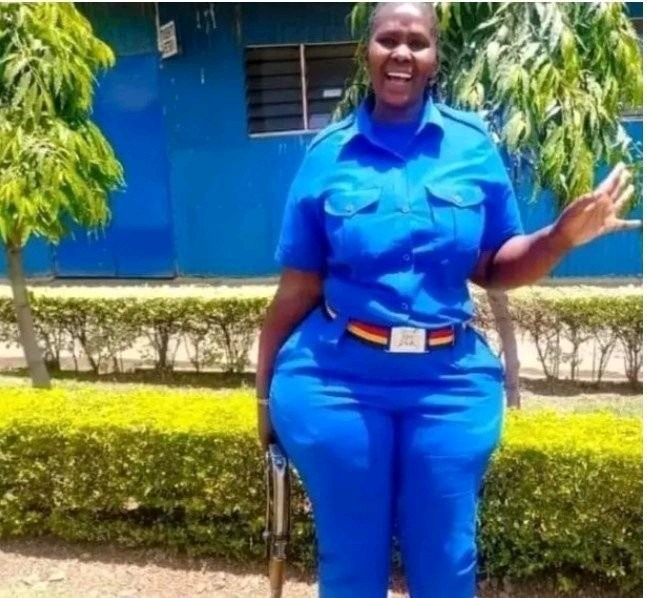
Kenya’s female police officers, like their male counterparts, operate within strict codes of conduct and regulations to ensure professionalism, discipline, and public trust in the police force. However, certain restrictions are placed on female officers that reflect societal, cultural, and institutional considerations, some of which have been debated for their fairness. Below are five key things that Kenya’s female police officers are strictly not allowed to do and why:
- Wearing Certain Hairstyles
Kenya’s police service has regulations regarding the appearance of its officers, and for female officers, certain hairstyles are deemed inappropriate. Braids, dreadlocks, and colorful hair dyes are often prohibited. The rationale behind this is to maintain a uniform and professional appearance that promotes discipline and reduces distractions in the workplace. Hair regulations are viewed as part of upholding the public image of the police, ensuring officers present themselves in a neat and orderly fashion.
- Wearing Jewelry on Duty
Female police officers are not allowed to wear excessive jewelry, such as earrings, necklaces, or rings, while in uniform. Only a wedding ring or a simple watch may be permitted. This restriction is rooted in the desire to avoid anything that might compromise the safety of officers in the line of duty. Jewelry could get caught in equipment, become a target for criminals, or simply detract from the professionalism required on duty.
- Pregnancy-Related Restrictions
While pregnant female police officers in Kenya are entitled to maternity leave, they are generally not allowed to participate in active fieldwork or high-risk operations once they reach a certain stage of pregnancy. The police service justifies this on the grounds of safety, as pregnant women may be more vulnerable in dangerous situations. Additionally, physical duties such as running, jumping, or engaging in combat would be compromised, potentially putting both the officer and her unborn child at risk.
- Wearing Civilian Clothes During Duty
Female officers, like their male counterparts, are strictly prohibited from wearing civilian clothing while on duty. This is enforced to maintain uniformity, discipline, and easy identification by the public. The police uniform symbolizes authority and is a sign of the officer’s role in law enforcement. Deviating from this dress code could confuse the public and undermine the perception of the police force.
- Engaging in Certain Forms of Public Expression
Female police officers in Kenya are prohibited from engaging in public demonstrations, protests, or any political activities while in uniform or on duty. This restriction aims to maintain the neutrality of the police force, ensuring that officers do not appear to take sides in political or social conflicts. The government enforces this rule to prevent the appearance of bias, maintain public confidence, and avoid situations where officers could be seen as using their authority to influence political outcomes.
Conclusion
The restrictions placed on female police officers in Kenya are primarily intended to promote safety, discipline, and professionalism within the force. While some of these regulations, such as those concerning appearance, have been the subject of debate, they are part of broader efforts to ensure that the police force remains effective, neutral, and trusted by the public. However, balancing personal rights with institutional demands continues to be a challenge for female officers in the country.
By Kenyalaw