

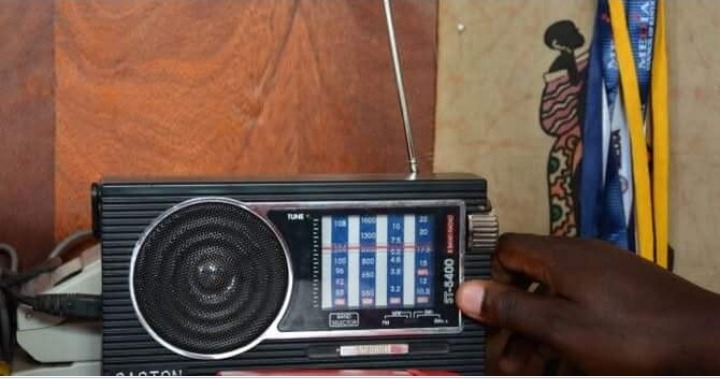
Ghetto Radio has publicly apologised after airing a misleading segment on its Sauti Ya Mnyonge show on December 3, 2025, that has since been confirmed to be entirely false. The station admitted it failed to properly verify claims made by a guest whose emotional account briefly gained traction among listeners.
The guest, identified as Clement Munyao, presented himself as a former neurosurgeon allegedly attached to Kenyatta National Hospital. During the broadcast, he narrated a dramatic sequence of events involving a second-hand mobile phone purchased from a mortuary attendant. He claimed the phone was later discovered to be stolen property, a situation that he said inadvertently led to his arrest after he gifted it to his daughter.
The story was delivered with strong emotional detail and quickly resonated with audiences, many of whom expressed sympathy for what appeared to be a case of professional downfall and wrongful imprisonment. However, subsequent checks into his background revealed inconsistencies that prompted further scrutiny.
Investigations later confirmed that Munyao had no medical training and no connection to Kenyatta National Hospital. Authorities and independent checks established that the account shared during the broadcast was fabricated.
In its statement, Ghetto Radio acknowledged that the segment should not have gone on air without proper verification of the guest’s credentials and claims. The station expressed regret for the misinformation and the distress it may have caused, adding that internal review processes are underway to strengthen editorial checks before future broadcasts.
The incident has reignited discussion around the responsibilities of radio platforms that feature unscripted personal testimonies. While such segments often rely on lived experiences, the latest case highlights how easily unverified narratives can slip through editorial safeguards and reach wide audiences.
For listeners, the episode has become a reminder that emotionally compelling stories are not always grounded in fact, and that media literacy remains essential in navigating broadcast content.