

Fresh revelations surrounding Kenya’s Social Health Authority (SHA) have ignited intense public debate after details emerged showing a private firm received KSh 1.2 billion through the digital health insurance system.
The massive payout, processed under the guise of technical integration and transaction processing fees, has raised serious accountability questions among lawmakers and healthcare stakeholders.
According to documents submitted before parliamentary oversight committees, the private entity operated as an intermediary gateway within the complex digital infrastructure governing national health claim payouts.
The setup allowed the private provider to draw transactional deductions directly from public healthcare remittances before funds reached frontline hospitals.
The revelation comes amid lingering public frustration over delayed disbursements to public and private health facilities across the country.
Medical associations have repeatedly warned that administrative cuts and opaque digital processing fees threaten the financial sustainability of critical health service delivery nationwide.
Auditor-General reports have previously flagged procedural gaps, unbudgeted expenditures, and a lack of competitive procurement in the deployment of the digital health management portal.
Oversight bodies are now questioning how an unlisted subcontractor secured continuous cash flows from public health contributions without explicit parliamentary approval or clear statutory oversight.
Parliamentary committees investigating the healthcare scheme have summoned top ministry officials and system administrators to disclose the beneficial ownership of the private entity. Lawmakers want a full accounting of all contractual agreements, transaction percentage rates, and legal frameworks authorizing private deductions from public funds.
Defenders of the digital system maintain that third-party processing integrations are necessary to secure transactions, prevent fraudulent claims, and ensure reliable data handling across thousands of health facilities.
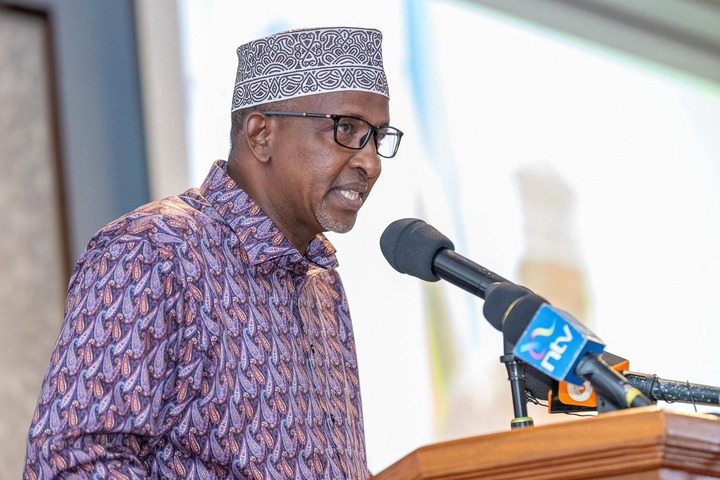
NTV Kenya: The Ruto administration: Profile of Defence CS nominee, Aden DualeGovernment representatives insist that digital service providers operate under formal contracts designed to modernize Kenya’s universal healthcare framework.
However, civil society organizations and opposition figures argue that siphoning public contributions into private intermediaries undermines public trust in the national health insurance transition.
Critics maintain that health fund management should remain transparent, fully audited, and managed directly through state financial institutions rather than private intermediaries.
As pressure mounts on the Ministry of Health to restore transparency, lawmakers are demanding an immediate freeze on all unauthorized transaction deductions pending a complete forensic audit.
The outcome of the parliamentary inquiry will set a vital precedent for governance and financial accountability in public health management.