

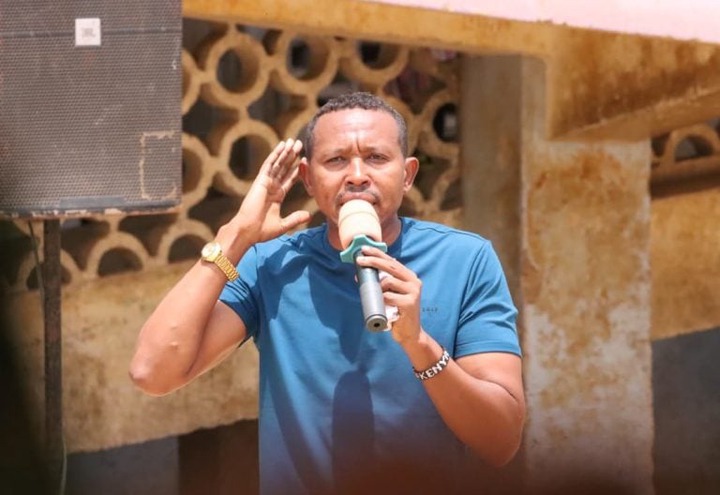
Political corridors across the nation have been thrown into a massive tailspin following a blunt, unsparing, and highly provocative public warning delivered by vocal legislator Mohammed Ali on September 24, 2026.
Stepping squarely into the intense early maneuvering ahead of the 2027 general elections, the fearless lawmaker dropped a major political bombshell by vowing to unmask compromised opposition figures who are allegedly accepting secret state payouts.
In a hard-hitting statement that instantly set digital platforms ablaze, Ali reminded the public of his investigative roots, declaring, “Very soon, we will expose those in the opposition who are being bought.
I am ‘Jicho Pevu.'” This fierce declaration cuts straight through standard political niceties, exposing deep-seated suspicions regarding backroom compromises and clandestine floor-crossing as various factions jockey for power.
The sharp warning injects heavy psychological tension into the wider political landscape as watchdogs monitor shifting allegiances.
Political analysts observe that explosive claims of compromised politicians reflect the fragile trust underpinning contemporary coalition arrangements.
When an outspoken leader publicly threatens to expose moles within political formations, it forces opposition architects to tighten internal discipline and screen their ranks more rigorously.
Observers note that maintaining ideological purity remains a massive challenge in multi-party environments.
Furthermore, this high-profile warning underscores the volatile and unpredictable nature of modern political survival tactics.
Every bold exposé threat adds intense pressure on figures navigating complex transactional networks.
Ultimately, Mohammed Ali’s ominous caution injects high-voltage friction into the unfolding national political matrix.
How rival camps react to these impending revelations will heavily dictate political trust as the 2027 general election approaches.