

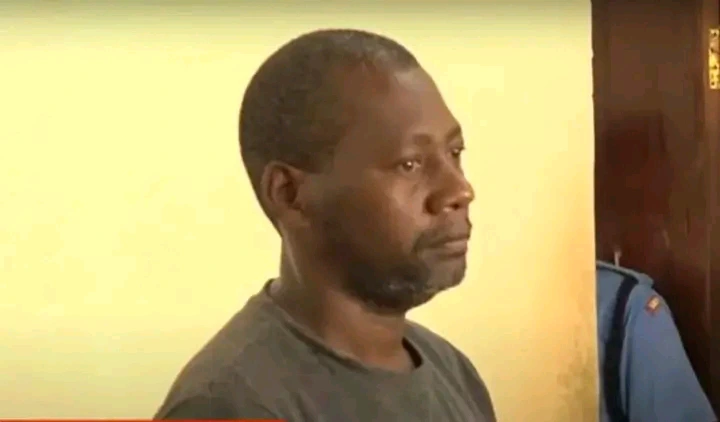
The government has approved a comprehensive set of reforms aimed at regulating religious organisations and preventing future tragedies like the Shakahola massacre. The move is on the heels of recommendations by a Presidential Taskforce formed in 2023 after the deaths of hundreds of followers of preacher Paul Mackenzie.
During a Cabinet meeting chaired by President William Ruto at the State House on Tuesday, ministers formalized the proposals. Among them are the establishment of a Religious Affairs Commission, the establishment of leadership standards for religious leaders, initiating reforms in faith-based media, and conducting civic education countrywide to promote religious tolerance and check radicalisation.
The Taskforce also recommends a model of hybrid regulation balancing State regulation with religious institutions’ autonomy. The idea is to maintain freedom of worship but restrain financial exploitation, extremism, and abuse in the name of religion.
A key part of the reform package is the development of a legal framework that will govern the registration and operations of all religious bodies in Kenya. It also recommends strengthening national umbrella faith-based organizations for greater coordination and transparency.
To ensure full compliance, the government plans to launch a multi-agency implementation plan involving security agencies, schools, and interfaith arenas. The unified effort is most likely to guarantee nationwide roll out along with encouraging dialogue and collaboration among religious actors.
The Taskforce presented its final report to President Ruto on 31st July, 2024. As part of its recommendations, the team authored three key documents for guidance in implementation: the Draft Religious Organisations Policy, 2024, the Draft Religious Organisations Bill, 2024, and the Draft Regulation of Organisations (General) Regulations, 2024.
Civic education reforms also feature prominently in the proposals. The Taskforce calls for updates to educational materials to better inform Kenyans about the rights and responsibilities of religious institutions. It also proposes incorporating lessons about tolerance of religion and the dangers of extremism in the national curriculum to shape the next generation’s worldview of faith and freedom.
Six Children Feared Dead Amid ‘Shakahola Two’ Threat
The urgency of the reforms has been amplified by troubling developments in Kilifi, now being dubbed “Shakahola Two.”
Authorities fear another cult tragedy may be unfolding at Chakama Ranch, where six children, previously rescued from the original Shakahola cult in 2023, are now feared dead. Police believe the children were taken back into the sect by their parents and later died in the forest.
The children – Flora (15), Mary (14), Christine (10), Shadrach (6), Esther (4), and Tonny (1) -had been part of a family relocated to Nyadorera in Siaya County after the first Shakahola operation. But in March 2024, their father, Jairus, misled relatives into thinking he had found work in Bondo. Instead, he and his wife, Lilian Atieno, returned with their children to Chakama Ranch and allegedly rejoined the proscribed cult.
Police rescued the couple and two others from the forest and arrested them. A relative reported that he met the couple at a police station, where they confirmed the deaths of all six children.
The same relative claimed that Paul Mackenzie continues to lead his followers from prison using a mobile phone. He alleged that Mackenzie had “spiritually prayed” for Jairus via phone while he was fasting. When the children died, Jairus reportedly tried to flee the cult, but members turned against him. He later escaped and sought help, triggering the arrests.
The original Shakahola massacre, which led to the formation of the Taskforce, exposed deep regulatory gaps in Kenya’s religious sector. Hundreds of people died, most through starvation, after following Mackenzie’s teachings. The government later declared the cult a national threat and began efforts to tighten oversight.
Now, with fresh signs of cult reactivation and children once again caught in the grip of radical teachings, the government is under pressure to act swiftly.
By Nairobwire