

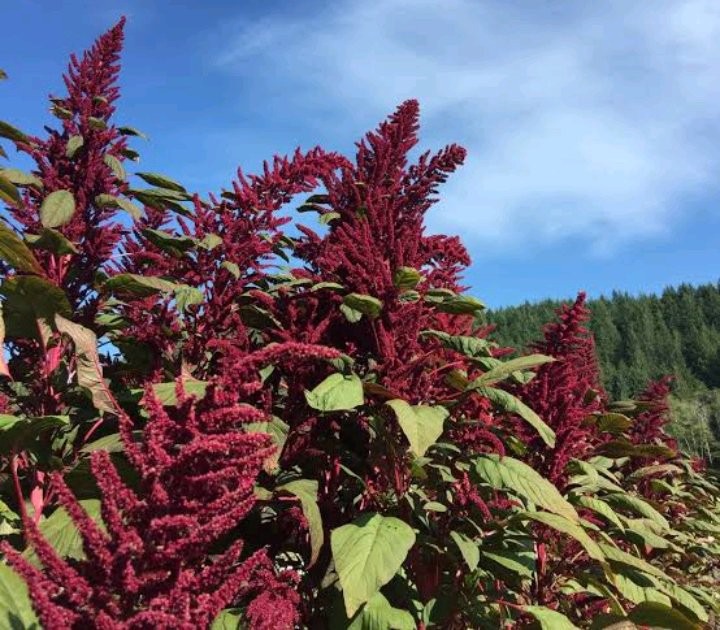
Once dismissed as a mere weed, amaranth has emerged as a game-changer in modern agriculture. This ancient grain, now recognized for its exceptional nutritional value, is rapidly gaining popularity among farmers and consumers alike. Its transformation from a roadside plant to a profitable crop reflects a broader shift in how agricultural innovations and health trends are redefining farming priorities.
With a protein content of 12–13 percent, amaranth surpasses most traditional cereals. This remarkable nutritional profile has positioned it as a leading supergrain on the global stage. Farmers who once overlooked the crop are now embracing it for its impressive yield potential and rapid returns. The grain’s demand has surged, not only for its health benefits but also for its versatility.
Experts note that amaranth is rich in fiber, protein, manganese, magnesium, phosphorus, and iron—key nutrients that make it an excellent food choice, especially for individuals managing conditions like diabetes and cancer. Beyond human consumption, amaranth also finds use in animal feed and skin-care product formulations.
There are two main types of grain amaranth tailored to different rainfall regions: the short variety, which matures in 45 to 60 days, and the tall variety, which takes 70 to 120 days. Both are drought-resistant, offering yields ranging from 800 to 1,200 kilograms per acre. At current market rates of Sh200–300 per kilo, a single harvest can generate as much as Sh360,000 in just a few months.
Planting amaranth is straightforward. Farmers typically sow three to four seeds per hole with a spacing of 75 cm by 25 cm, ensuring optimal growth and productivity.
What gives amaranth flour a competitive edge over maize flour is its inherent richness in nutrients. Unlike maize flour, it doesn’t require external fortification, making it a healthier and more economical option for consumers.
As awareness grows, amaranth is fast becoming not just a source of nutrition but a source of wealth. Its success story is inspiring many to rethink traditional farming and embrace innovative crops that offer both sustainability and profitability.
By TheGuardian