

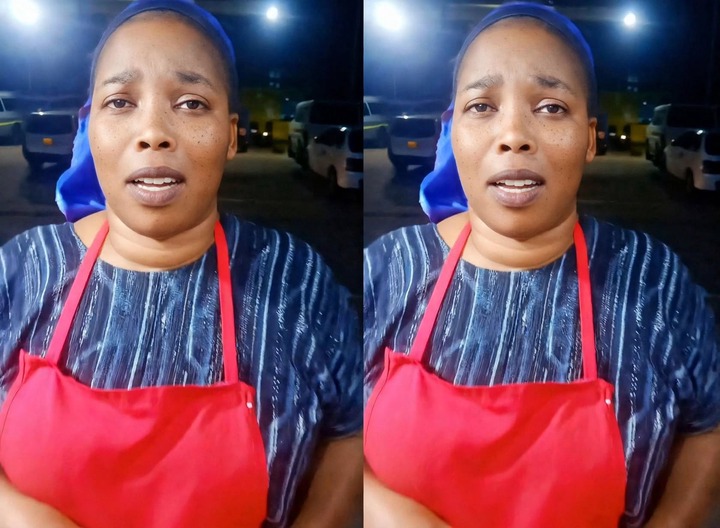
A Kenyan woman running a small food business has appealed to customers to return to her eatery after a political remark reportedly affected her daily sales.
The woman shared an emotional video on social media explaining how her business had suffered after she publicly uttered the word Tutam during a conversation at her food joint. In the video, she appears distressed as she explains that customers who previously bought food from her have stopped visiting the establishment.
Tutam is a political slogan associated with President William Ruto and his supporters. The phrase has attracted mixed reactions across the country, with some Kenyans embracing it while others have expressed dissatisfaction with the current administration. Its growing presence in political discussions has also sparked debate about how personal political views can affect businesses.
According to the woman, the situation at her eatery changed shortly after her remark became known. She says customers who regularly visited her establishment for chapatis, fries and other meals have since reduced their visits.
The video shows her walking around the restaurant as she speaks about the challenges facing her business. The normally busy food joint appears quiet, with several tables remaining empty.
The business owner appears to be struggling to understand how a simple political comment could have such an impact on her source of income. She maintains that she was expressing her personal opinion and did not intend to offend anyone.
For small business owners, customer numbers play a major role in determining whether a business can remain operational. Food vendors rely on daily sales to purchase ingredients, pay rent and meet other expenses. A sudden drop in customers can therefore create serious financial difficulties.
Her video has attracted mixed reactions from social media users. Some Kenyans have sympathised with her, arguing that small business owners should not lose their livelihoods because of their political opinions. They have urged customers to consider the personal circumstances of those running small businesses.
Others have defended the decision by customers to stay away, saying people have the freedom to choose where they spend their money. Some have also argued that political expressions can influence how consumers relate to particular businesses.
The incident has highlighted the growing influence of political discussions on everyday life in Kenya. With social media allowing personal remarks to reach large audiences, business owners can find themselves facing unexpected consequences.
For the woman, the situation has become a difficult lesson in how political opinions can affect a small business. She is now hoping that customers will reconsider their decision and return to support her eatery.
Her appeal reflects the struggles faced by many small business owners who depend on daily sales to support their families and keep their businesses running.