

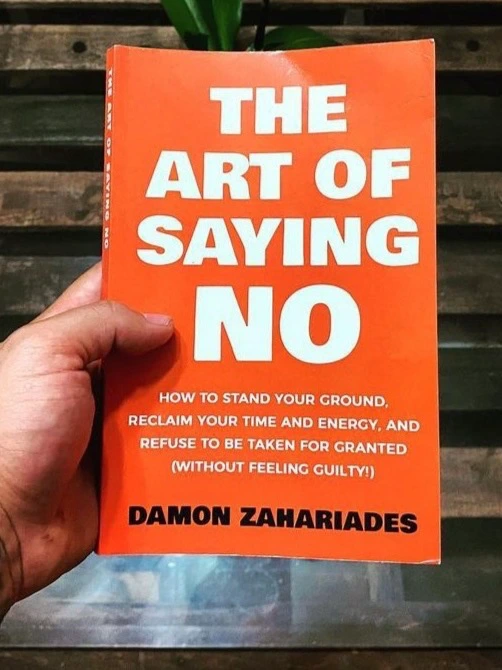
1. Be Direct And Straightforward
Being straightforward when turning down requests doesn’t mean you’re being discourteous. In fact, your candidness is likely to be appreciated by the requestor, who’ll know that trying to persuade your accommodation will be a waste of time.
2. Don’t Stall For Time
Stalling is a bad idea for a few reasons:
-It strings the requestor along.
-stalling makes you appear indecisive.
-stalling for time reduces your productivity by prolonging the situation.
3. Resist The Urge To Offer Excuses
There are two problems with this approach: First, you’re likely to feel guilty for misleading the requestor. Second, it opens the door to negotiations, which require time and effort.
4. Take Ownership Of Your Decision
When you must turn down a request or invitation, express your decision as a personal choice. Instead of telling the requestor, “I can’t,” tell him or her:I don’t want to”.
5. Ask The Requestor To Follow Up
Later This isn’t a stalling tactic. Rather, it’s a way to revisit a request when you have more time to think about it. It also allows you to put the onus on the requestor while gauging the urgency of his or her request.
6. Avoid Lying About Your Availability
Reply frankly. On the surface, these responses might seem impolite. On the contrary, you’re being direct, which shows respect. You’re showing the requestor that you hold him or her in high enough regard to be candid.
7. Offer An Alternative
No one likes to be left hanging. When you say no, give the requestor another option. It’ll go a long way toward mitigating his or her disappointment at your inability or unwillingness to lend a hand.
8. Suggest Another Person Who’s Better Qualified.
You’ll sometimes receive requests that are better handled by other people. Declining these requests is good for all parties. For example, you might do so because you know someone who has more experience than you in the matter.
by: Sylvia