

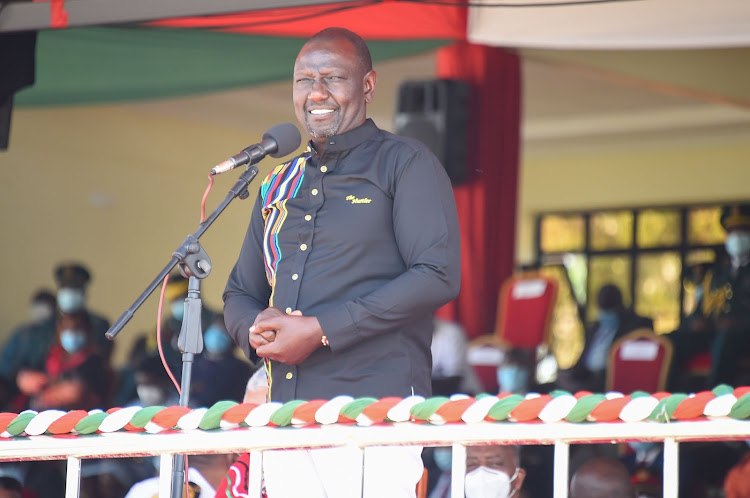
In a significant move to address environmental concerns and boost revenue generation across African nations, President William Ruto proposed the introduction of a carbon tax during a speech on Tuesday. The Kenyan leader argued that implementing a carbon tax is not only a vital step toward combating climate change but also a means to raise substantial financial resources for the continent’s development.
Ruto’s proposal comes at a time when the global community is increasingly recognizing the urgency of mitigating climate change. African countries, like many others, are grappling with the consequences of rising greenhouse gas emissions, from extreme weather events to threats to food security. The introduction of a carbon tax, according to Ruto, could provide a sustainable solution to these pressing issues.
The core idea behind a carbon tax is to put a price on carbon emissions, effectively incentivizing individuals and businesses to reduce their carbon footprint. By levying a tax on the carbon content of fossil fuels, industrial processes, and other emission sources, governments can create financial incentives for cleaner, more sustainable practices.
However, the introduction of a carbon tax is not without its challenges. It requires careful planning, coordination, and monitoring to ensure it achieves its intended environmental and fiscal objectives. Additionally, concerns about the potential impact on low-income households and economic competitiveness must be addressed through well-designed policies and targeted support mechanisms.
President Ruto’s proposal signals a growing awareness of the need for innovative approaches to address both climate change and economic development in Africa. If successfully implemented, a carbon tax could not only contribute to the fight against climate change but also provide a much-needed source of revenue to support crucial social and infrastructure investments.
While the road ahead may be challenging, President Ruto’s call for a carbon tax in Africa demonstrates a commitment to tackling the dual challenges of environmental sustainability and economic growth. It remains to be seen how African nations will respond to this proposal and how they will navigate the complex path toward a greener, more prosperous future.
by: LatestNewsKenya