

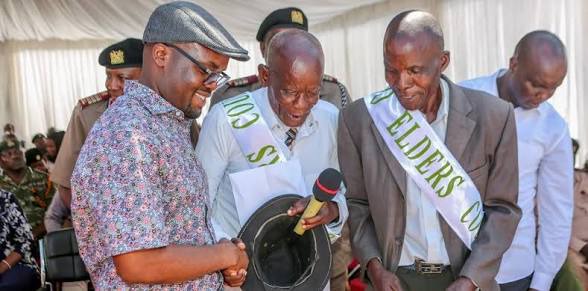
Interior Principal Secretary Raymond Omollo has highlighted what he described as a historic government initiative aimed at recognising and supporting village elders across Kenya.
Omollo said village elders had served communities for more than six decades without receiving formal financial compensation from successive administrations.
According to the Interior PS, the situation has changed under President William Ruto’s administration through a monthly stipend programme.
Speaking about the initiative, Omollo explained that village elders are now receiving KSh 3,000 monthly from the government.
He described the programme as an important step towards recognising the contribution of grassroots administrators who have served communities for generations.
“For over 60 years, village elders served without formal financial recognition until President William Ruto moved to securing a stipend to village elders,” Omollo stated.
The PS further explained that the government had introduced additional support measures targeting village elders beyond the monthly financial assistance
Among the initiatives is their incorporation into the Social Health Authority (SHA) medical scheme, which provides access to healthcare coverage.
The move is intended to strengthen their social protection while addressing some of the challenges associated with their responsibilities.
Village elders play an important role in maintaining peace, resolving community disputes and supporting government administration at the grassroots level.
They also assist chiefs and other local administrators in addressing security concerns and mobilising residents for government programmes.
Their responsibilities frequently involve handling family disputes, reporting suspicious activities and helping resolve disagreements before they escalate.
Despite these responsibilities, many village elders have historically relied on personal resources while performing their community duties.
Omollo’s remarks therefore place renewed attention on the government’s efforts to formally recognise their contribution to national administration.
The KSh 3,000 monthly stipend is expected to provide some financial relief to beneficiaries who have traditionally worked without regular remuneration.
However, questions surrounding the programme’s implementation, including the number of beneficiaries, payment arrangements and long-term sustainability, remain important.
The government will also face expectations to ensure timely payments and consistent access to the promised healthcare benefits.
President Ruto’s administration has repeatedly highlighted grassroots empowerment as part of its broader development and public service agenda.
The programme represents an attempt to strengthen the relationship between local administrators and the national government through financial and social support
Omollo’s statement has consequently renewed public discussion about the recognition and welfare of village elders across the country.