

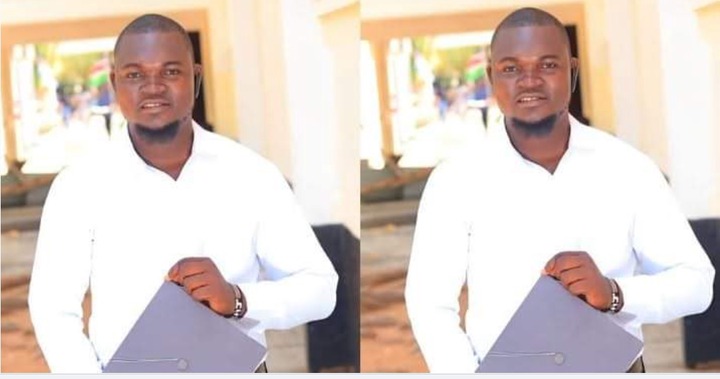
Fresh revelations from a forensic examination have raised serious concerns over the circumstances surrounding the death of Albert Ojwang.
A post-mortem conducted by independent pathologist Benard Midia points to inconsistencies with the official police account, prompting renewed scrutiny and demands for accountability.
According to Midia’s report, the injuries found on Ojwang’s head do not match claims that he had inflicted harm upon himself by hitting a wall. The physical evidence indicates that the trauma was more consistent with external violence rather than an act of self-injury.
The location and nature of the wounds mainly concentrated on the back and sides of the skull suggest a level of force and positioning unlikely to occur without another party’s involvement.
Initial statements by authorities had described Ojwang’s injuries as self-inflicted or accidental, but the new forensic evaluation disputes that version.
Midia’s detailed analysis has revealed that the bleeding patterns and fractures were not aligned with injuries typically seen in incidents where individuals strike their own heads against hard surfaces.
The findings now cast doubt on whether the death was truly accidental or if it may point to a more serious situation involving third-party force.
These revelations have sparked widespread reaction from legal experts, civil society groups, and Ojwang’s family.
Many are calling for the reopening of the investigation and an independent review of how the original conclusions were reached.
Concerns are growing about the integrity of the initial police inquiry and whether critical evidence was misinterpreted or overlooked altogether.
Ojwang’s relatives, already struggling with grief, are seeking transparency from law enforcement and a clear explanation of the conflicting narratives.
Community leaders have joined the chorus for a fair and impartial probe, arguing that trust in public institutions depends on proper handling of such sensitive cases.
By Kenyans