

Tensions have erupted in Kenya’s music industry following a meeting between President William Ruto and creatives. Eddie Butita, Octopizzo, and Dennis Itumbi publicly clashed over intellectual property and the ownership of artists’ work.
Butita revealed on X that over 30 artists reportedly do not own their music or image rights. He described the situation as “very sad,” noting that lack of control over work has stalled careers and blocked endorsements for many performers.
Attempts to exit exploitative contracts, he claimed, have led some artists to face international lawsuits and penalties reportedly reaching $1 million. Butita framed his advocacy as a push for industry-wide reforms rather than personal gain.
Octopizzo responded by dismissing Butita’s remarks as oversimplified. He argued that copyright and artist exploitation have long-standing structural roots that cannot be resolved through proximity to political power or social media statements.
“The issue cannot be reduced to personalities; it is a matter of law, policy, and institutional reform,” Octopizzo said. He called for legislative changes and accountability within collective management organisations such as the Music Copyright Society of Kenya (MCSK).
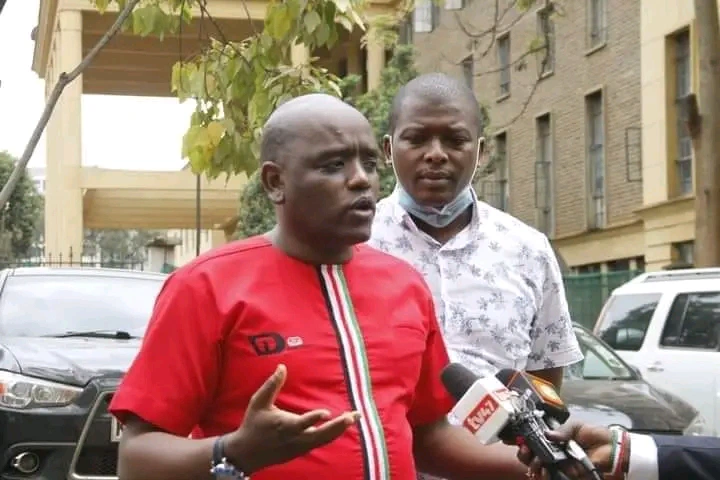
Dennis Itumbi weighed in, defending Butita and urging Octopizzo to engage directly with facts. He claimed Butita is aligned with solutions and progress, and invited the rapper to the office to review achievements and outstanding issues.
Octopizzo countered, demanding transparency and evidence. He questioned claims that CMOs had been “fixed” to pay out 70 per cent of royalties through eCitizen, insisting most artists have received no payments and private royalties should not be state-managed.
He called for public disclosure of audited reports, legal backing, and proof of payment. Octopizzo stressed that CMOs only represent consenting artists, highlighting the need for better legal guidance before signing contracts, especially in international markets.
The exchange has exposed deep divisions in Kenya’s creative sector. Industry players now face renewed pressure to clarify ownership rights, reform collective management practices, and safeguard the financial and artistic interests of musicians nationwide.