

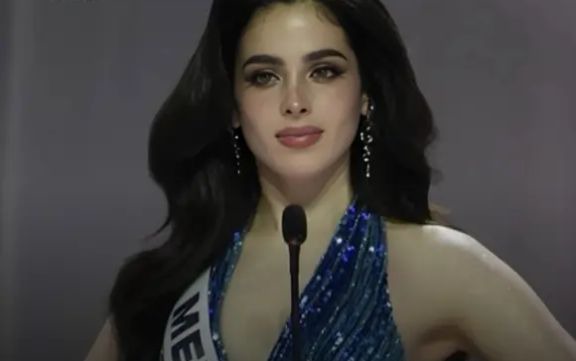
Miss Universe has recently come under intense public scrutiny after cancelling a scheduled media interview, sparking widespread debate across social media and news platforms.
The decision reportedly followed a series of questions she deemed uncomfortable or invasive, leading to criticism from journalists and fans alike who argued that participating in interviews is a fundamental aspect of holding such a high-profile title.
The cancellation has highlighted the delicate balance public figures must maintain between transparency and personal boundaries.
While some supporters defended her right to decline questions that might feel inappropriate or overly intrusive, critics claimed that avoiding the interview undermined the openness and accessibility expected from someone in her position.
The incident has ignited conversations about the pressures faced by beauty queens, including intense media scrutiny, public expectations, and the constant spotlight on personal and professional matters.
Social media platforms have become a focal point for debate, with netizens divided between empathy and criticism. Some fans praised Miss Universe for asserting her autonomy and prioritizing her comfort, pointing out that celebrities and public figures often face relentless questioning that can feel invasive or unfair.
Others, however, expressed disappointment, emphasizing that interviews are a key opportunity to connect with the public and share messages of influence, advocacy, and representation.
Experts in public relations note that while such situations can be controversial, how a public figure communicates the reasons behind their decisions can significantly influence public perception.
A carefully crafted statement explaining her perspective could help manage backlash and clarify her stance, balancing personal boundaries with professional responsibilities.
This episode serves as a reminder of the complex dynamics at play for individuals in high-visibility roles. For Miss Universe, navigating media interactions requires diplomacy, confidence, and an understanding of public expectations, while also maintaining personal integrity and well-being in the face of intense scrutiny.
By Creatorhub