

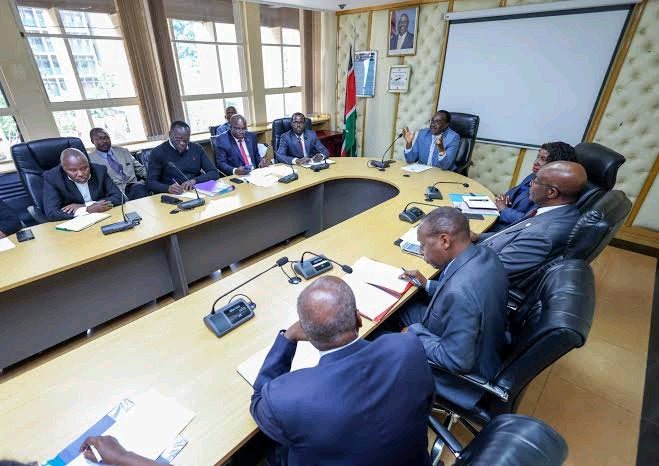
According to reports by NTV Kenya, negotiations between the Kenyan government and the Universities Academic Staff Union (UASU) have ended without an agreement after union representatives rejected a revised financial offer worth KSh 11.9 billion. The development has prolonged uncertainty over when lecturers will resume teaching in public universities across the country.
The meeting brought together Education Cabinet Secretary Julius Migos Ogamba and representatives of UASU in an effort to resolve the ongoing industrial dispute. However, the discussions reportedly failed to produce a breakthrough, leaving both sides divided over the implementation of the 2025–2029 Collective Bargaining Agreement (CBA).
The strike, which has disrupted academic activities in public universities for approximately four weeks, has affected students’ learning schedules and raised concerns about delays in examinations and the completion of academic programmes.
During the negotiations, UASU representatives reportedly maintained that the government should follow established collective bargaining procedures rather than present financial proposals that have not been mutually agreed upon. The union has insisted that any settlement must reflect the terms negotiated under the CBA.
Union officials have also maintained that lecturers will not return to classrooms until the agreed payments have been fully settled and the required amounts deposited directly into their bank accounts. This position has remained a major obstacle to efforts aimed at ending the industrial action.
The latest setback comes after Education Cabinet Secretary Julius Migos Ogamba appealed to university lecturers to suspend the strike and resume teaching to minimise further disruption to students. However, the appeal has yet to produce the desired outcome, as negotiations remain unresolved.
The continued shutdown of academic activities has placed students, parents and university administrators under pressure. Students preparing for examinations and those nearing the completion of their studies are particularly concerned about possible delays to their academic calendars.
The dispute has also attracted attention from lawmakers, some of whom have called for urgent intervention to bring the government and union representatives back to the negotiating table.
With the latest discussions ending without an agreement, the reopening of affected public universities remains uncertain. A resolution will depend on whether both parties can bridge their differences over the financial offer and agree on an implementation process acceptable to the government and university academic staff.