

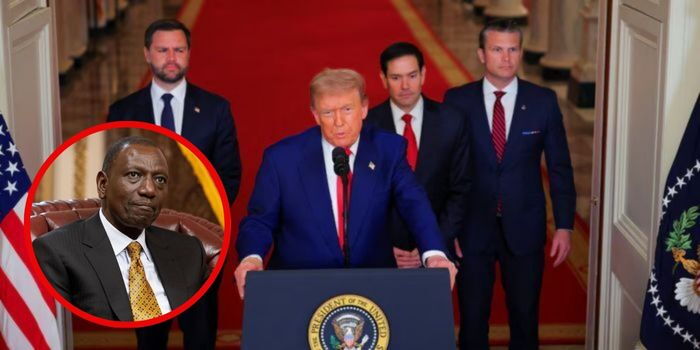
Donald Trump reversed his controversial decision to maintain a travel ban on Somalia following a massive wave of global and domestic protests.
This sudden shift in policy brought an immediate sense of relief to thousands of Somali nationals and their families who faced separation under the previous executive orders.
The U-turn marked a significant moment in the administration’s handling of immigration, highlighting the power of public outcry and legal challenges in shaping government policy.
Before this change, the United States enforced a strict entry ban that primarily targeted several Muslim-majority nations, including Somalia. The policy effectively halted the processing of visas and left many refugees and legal residents in a state of limbo. Families in Nairobi’s Eastleigh estate and across the diaspora watched with growing anxiety as their hopes for resettlement or reunion vanished overnight. The atmosphere was one of deep uncertainty and fear for those fleeing conflict.
The winners in this development are the families who can now resume their travel plans and the legal advocacy groups that fought the ban in court. Students, businessmen, and individuals seeking medical treatment in the United States regained their right to apply for travel documents. Conversely, the losers are the hardline proponents of the isolationist policy who viewed the ban as a necessary security measure.
Their agenda suffered a public setback as the administration bowed to mounting pressure from civil rights organizations and international leaders.
The change point occurred when the administration realized the legal and diplomatic costs of maintaining the ban were becoming unsustainable.
While the initial goal focused on national security, the reality on the ground involved chaotic scenes at international airports and a barrage of lawsuits.
The climax of this story was the official announcement that Somali citizens would no longer face the same blanket restrictions.
Today, the situation has shifted from one of total exclusion to a more standard vetting process.
The reversal did not just open borders but also restored a level of faith in the judicial process for those affected by the initial decree.
It served as a reminder of how quickly international relations and migration rules can fluctuate in the current political climate.
By Creatorhub