

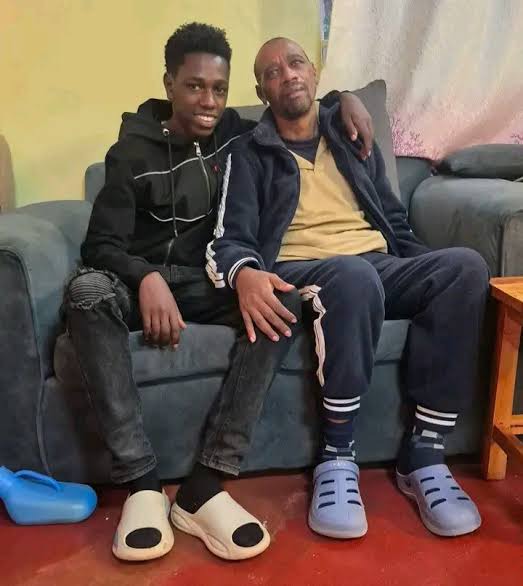
Kaluma Boy’s family has finally received the title deed to their new home, marking an important milestone in a journey that attracted the generosity of Kenyans and well-wishers across the country.
The handover brings relief to the family after months of public attention surrounding the construction of the house and disagreements that threatened to overshadow the initiative.
According to TUKO.co.ke, businessman Mofarm, who played a key role in the housing project, handed over the title deed documents to Kaluma Boy’s parents on Sunday, October 25, 2026. The ceremony was also attended by preacher Muthee Kiengei.
The home was built through contributions from well-wishers who came together to improve the family’s living conditions. The initiative attracted considerable public interest, with many Kenyans following the family’s progress and hoping the support would give them a more secure future.
A major step after disagreements
The title deed handover comes after a public fallout between Mofarm and Kaluma Boy, which raised questions about donations, property management and the responsibilities of those involved in supporting the family.
The disagreements attracted attention on social media, with discussions emerging over how the assistance should be managed and the future of the property. Differences also reportedly arose over education and family responsibilities.
Despite the tensions, the transfer of the title deed to Kaluma Boy’s parents represents a significant development in the project. It also provides clarity on who the intended beneficiaries of the home are.
Mofarm shared the news alongside photographs of the handover, acknowledging the people and organisations that contributed to making the project possible.
He expressed gratitude to the TikTok community, Kenyans for Kenyans, Nduthi Culture and JCM Church for their support, while asking God to bless everyone who contributed to the family’s new home.
Kenyans welcome the development
Another encouraging detail shared during the announcement was the reported improvement in Kaluma Boy’s father’s health.
His condition had drawn concern from people who had followed the family’s story, and the update offered a positive development amid the disagreements that had dominated public discussion.
The news also prompted online discussions about the role of transparency when people come together to support vulnerable families.
Some social media users praised Mofarm for ensuring the title deed reached the parents, while others suggested that he had fulfilled his responsibility and should now step back from the situation.
Other commenters expressed happiness at seeing the family’s circumstances improve, describing the home as a reminder of what collective generosity can achieve.
What happens next for Kaluma Boy’s family?
The receipt of the title deed is an important milestone, but it also brings attention back to the family’s future and the need to protect what well-wishers have helped them achieve.
For many Kenyans who contributed to the initiative or followed it online, the hope is that the family will enjoy greater stability and that the property will serve its intended purpose for years to come.
The episode also highlights the importance of clear communication and accountability in charitable projects, particularly when donations involve money, land and other valuable assets.
While the disagreements surrounding Kaluma Boy and Mofarm attracted considerable attention, the latest development shifts the focus to the family receiving the legal documents for their home.
For Kaluma Boy’s parents, the handover marks a meaningful step towards securing the house that generous Kenyans helped build. Whether the development will bring lasting peace to the family remains to be seen, but the completion of the title deed transfer is a significant moment in their story.