

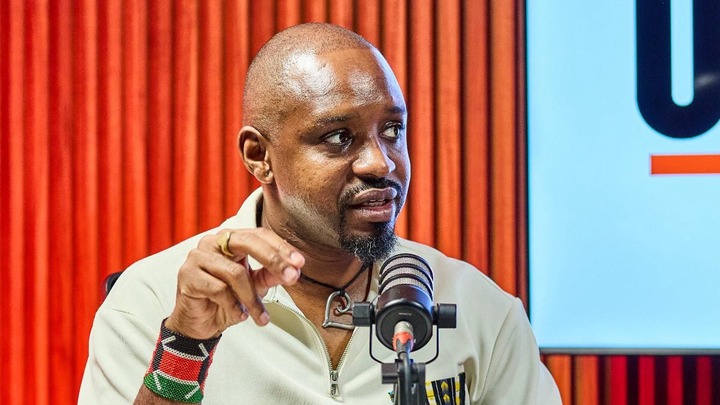
Activist Boniface Mwangi has questioned President William Ruto’s priorities following the launch of SIBOH School and Sports Academy on the Head of State’s Koilel farm in Eldoret, amid concerns over funding shortages affecting public schools.
In a statement issued on Thursday, November 19, 2026, Mwangi contrasted the facilities at the newly launched institution with the challenges facing public schools, including inadequate government capitation and rising education costs.
The school was launched on Wednesday, November 18, by First Lady Rachel Ruto, with photographs showing modern classrooms and sports facilities.
Mwangi argued that every Kenyan child deserved access to similar facilities, but questioned whether the government was providing comparable opportunities to learners in public schools.
“Every Kenyan child deserves a school like that. But that is not what the President is offering Kenyan children,” Mwangi said.
According to the activist, SIBOH School will charge between Ksh90,000 and Ksh370,000 per term, excluding registration, transport, medical and other additional charges.
At the highest fee level, parents could spend more than Ksh1.1 million annually on one child, compared with the government’s standard annual fee of Ksh53,554 for public boarding schools.
Mwangi argued that the cost of educating one child at the private institution for a year could cover public boarding school fees for approximately 20 learners.
He further questioned the timing of the school’s launch, noting that parents had been facing proposals to increase public secondary school fees by as much as Ksh43,000.
The activist also cited concerns raised by the Kenya Secondary Schools Heads Association over inadequate and delayed government capitation, which he said had contributed to mounting debts, unpaid workers and difficulties sustaining learning programmes.
According to figures cited in his statement, public secondary and junior secondary schools were facing a capitation shortfall exceeding KSh40 billion this year.
Mwangi said Ruto’s position as President placed him at the centre of decisions affecting education policy, government funding and the regulation of private schools.
“When the person who holds the purse for public schools has a private school built on his own farm, Kenyans are entitled to ask whose interests are being served,” he said.
He called on Kenyans to demand accountability, arguing that the government should ensure children in public schools receive adequate funding and access to quality education.