

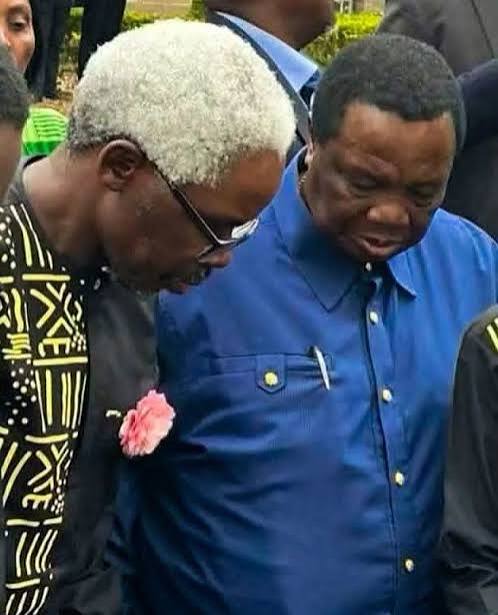
Francis Atwoli’s daughter, Juliah Atwoli, has publicly disagreed with her father over his remarks concerning the cremation of her late sister in law, Maureen Nyadida Lukoye.
Juliah expressed disappointment with the continued public discussion surrounding Maureen’s final send off, arguing that the decision to cremate her was made by Maureen herself and that her wishes had been formally documented in a will.
Maureen was married to Lukoye Atwoli, Francis Atwoli’s eldest son and a psychiatrist. She was cremated recently, a decision that Atwoli said he had disagreed with but ultimately supported because of his love for and relationship with his son.
In an interview with TUKO.co.ke, Juliah said the family understood Maureen’s wishes and maintained that they should be respected. She questioned why the circumstances surrounding the cremation continued to attract public debate when Maureen had already made her preference known.
According to Juliah, the matter was particularly sensitive because Lukoye and his children were still mourning the loss of their wife and mother. She said continued public conversations about the burial arrangements could cause additional pain to the bereaved family.
Juliah also called on her father to draw a clear line between private family matters and issues that belong in the public arena.
She noted that, as siblings of Lukoye, they were disappointed by the continued public discussion and wanted their father to recognise that not every family matter needed to be made public.
Her comments came a day after Atwoli spoke publicly about his disagreement with cremation during an appearance on Jeff Koinange Live. The veteran trade unionist described cremation in strongly religious terms and said he would not allow the practice for other members of his family in future.
Atwoli also said that while he did not agree with Maureen’s cremation, he eventually chose to support Lukoye, explaining that his son had made the decision and that he loved him.
The differing views have brought attention to the tension that can arise within families when personal wishes about death and funeral arrangements differ from long held cultural or religious beliefs. For Juliah, however, Maureen’s documented wishes should remain central to the matter.