

Determining how much a person should weigh based on their height and age involves considering several factors including health, body composition, and individual differences. While weight alone isn’t a perfect measure of health, it can provide a general guideline when interpreted along with other factors like body fat percentage, muscle mass, and overall fitness level.
Body Mass Index (BMI)
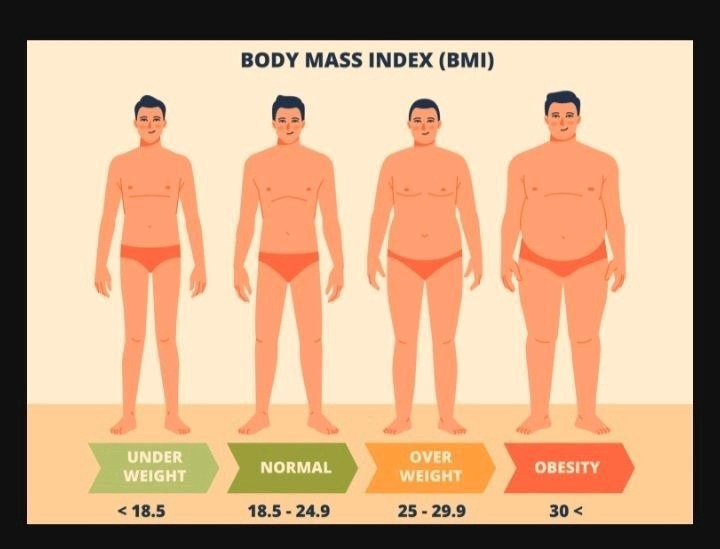
BMI is a commonly used metric to estimate a healthy weight range based on height. It’s calculated by dividing weight in kilograms by height in meters squared (BMI = weight (kg) / height (m)^2). Here are the general BMI categories:
- Underweight: BMI less than 18.5
- Normal weight: BMI 18.5 – 24.9
- Overweight: BMI 25 – 29.9
- Obesity: BMI 30 or higher
While BMI provides a quick assessment, it has limitations, such as not accounting for muscle mass or body fat distribution.
Age and Weight
As people age, their body composition and health needs can change. Muscle mass tends to decrease with age, while body fat may increase. Therefore, optimal weight ranges may also shift. For older adults, maintaining a healthy weight that supports muscle strength and bone density is crucial for overall health and mobility.
Healthy Weight Guidelines
Instead of focusing solely on a number, health professionals often emphasize overall well-being and fitness. Factors influencing healthy weight include:
- Body Composition: Having a healthy balance of muscle and fat is important. Even if weight falls within a healthy range, high body fat percentage can increase health risks.
- Fitness Level: Regular physical activity contributes to overall health and can affect weight management. Muscle mass gained through exercise can increase weight but is beneficial for metabolism and strength.
Individual Considerations
Individual health goals, genetics, and medical history also play significant roles in determining ideal weight. Some people naturally have higher or lower weights that are healthy for them based on their body type and genetics.
Seeking Guidance
For personalized advice on weight management, consulting a healthcare provider, nutritionist, or fitness professional is recommended. They can consider your unique circumstances, health goals, and provide guidance on maintaining a healthy weight that supports overall well-being.
In conclusion, while there are general guidelines for weight based on height and age, health is a complex interplay of factors beyond a number on a scale. Prioritizing overall health, fitness, and body composition is key to achieving and maintaining a healthy weight throughout different stages of life.
https://www.medicalnewstoday.com/articles/323446