

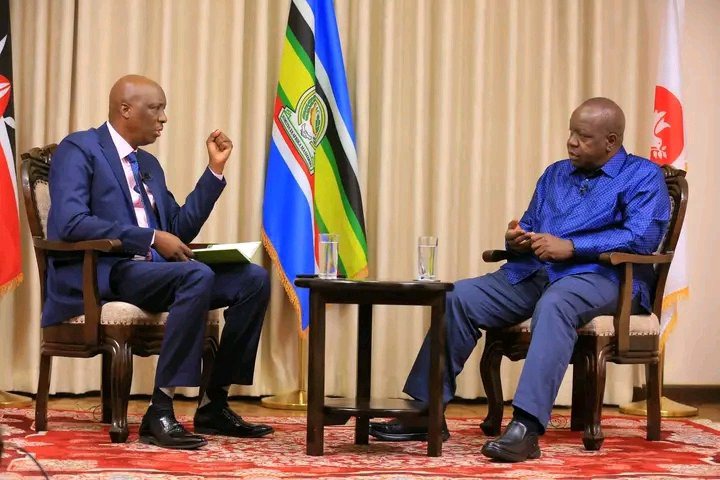
Former Interior Cabinet Secretary Fred Matiang’i has offered a glimpse into his preferred style of engaging with the public, saying political leaders do not necessarily have to operate in the same way.
Matiang’i’s remarks have attracted attention as political leaders increasingly take different approaches to connecting with voters ahead of the 2027 General Election.
The former Cabinet secretary, who has remained relatively measured in his public engagements, indicated that he is not particularly comfortable with some of the highly energetic campaign styles that have become common at political rallies.
His comments appeared to highlight differences in personality and leadership style among politicians, with some leaders preferring highly public displays while others favour more structured interactions with citizens.
The former CS has previously maintained a relatively low-profile political presence compared with politicians who frequently address large roadside gatherings or climb onto vehicles to speak to crowds.
The remarks have generated discussion because Matiang’i has increasingly been mentioned in conversations surrounding Kenya’s opposition politics and the possible presidential contest in 2027.
Supporters of different political formations have been closely watching his movements and public statements as opposition leaders seek to establish a formidable challenge to President William Ruto.
Matiang’i’s approach could therefore distinguish him from politicians who rely heavily on dramatic public rallies and highly visible campaign appearances.
His statement that leaders are not all the same also underlines the broader argument that political candidates can connect with voters through different methods.
Some politicians thrive in large rallies and spontaneous public interactions, while others prefer smaller meetings, policy discussions and organised engagements.
As the 2027 political contest draws closer, Matiang’i’s public appearances and statements are likely to receive increased attention, particularly if he decides to take a more active role in national politics.
For now, his remarks provide an indication of a political style that prioritises personal comfort and a different approach to public engagement.
Whether that approach will translate into a significant political advantage remains to be seen as Kenya’s political landscape continues to evolve ahead of the next General Election.