

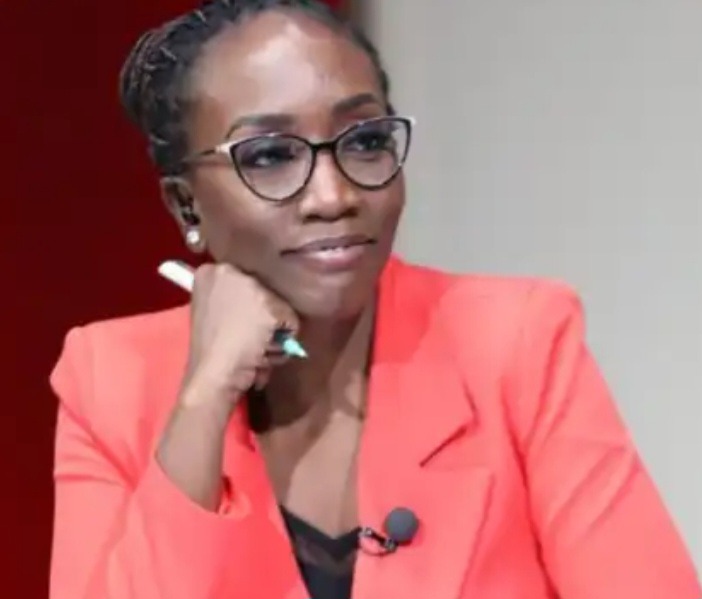
There are journalists whose presence in a newsroom is as distinctive as the presence they command on television. Yvonne Okwara is one of them.
I have had the privilege of working with Yvonne at two media organisations, first at Nation Media Group and later at Citizen TV. Across those years, one thing remained remarkably consistent: her composure, wit, candour and instinct for asking difficult questions.
Cool, calm and collected in the newsroom, she could be an unapologetic hard hitter when interviewing people in positions of power. She rarely appeared intimidated by the stature of her interviewees, nor did she seem particularly interested in making them comfortable at the expense of getting the answers.
Her departure from Citizen TV after more than eight and years at the station and two decades in journalism is therefore more than the exit of a familiar face from the prime-time news desk. It raises a bigger question about the kind of journalism Kenyan broadcasters are developing and the challenge of sustaining it.
Okwara has often been referred to as Kenya’s Christiane Amanpour, a comparison that speaks to the reputation she has built as a confident, articulate and probing interviewer. But her contribution deserves to be examined on its own terms rather than through comparisons with international broadcasters.
Her strength was not simply the ability to ask tough questions. It was the preparation, composure and command of issues that allowed her to pursue a line of questioning even when interviewees attempted to evade it. Whether interviewing politicians or interrogating matters of public interest, she understood that an interview is not a platform for personalities to deliver prepared statements. It is an opportunity to demand explanations.
Her work on Citizen TV’s News Gang and The Explainer offered audiences different formats through which to engage with public affairs and accountability journalism. These programmes also demonstrated the value of journalists who are willing to move beyond reading headlines and interrogate the issues behind them.
In 2021, I wrote about Okwara’s inclusion in Facebook Africa’s LeadHERs: Life Lessons from African Women, a book celebrating 19 women from across the continent. At the time, the recognition offered an opportunity to reflect on her influence as a woman in a demanding profession. Five years later, her departure provides another opportunity to consider what her career says about the importance of building and retaining experienced journalists.
For Citizen TV, the immediate challenge will be finding someone to occupy the space she leaves behind. But replacing an anchor and replacing her journalism are two different undertakings.
A broadcaster can recruit another accomplished presenter, invest in a new programme and give a journalist greater visibility. What cannot be acquired overnight is the accumulated experience that informs editorial judgement, the confidence to challenge powerful interviewees and the credibility built through years of reporting and interviewing.
This is a challenge that extends beyond one television station. Kenyan newsrooms are operating in an environment of financial pressure, changing audience habits and intense competition for attention. There is an understandable temptation to prioritise personalities who attract audiences. Yet the development of journalists with depth, expertise and the confidence to hold power to account requires sustained investment.
It also requires newsrooms to create opportunities for younger journalists to learn from experienced colleagues, take on difficult assignments and develop their own interviewing styles. Tough questioning is not an overnight skill. It is cultivated through preparation, experience, editorial support and an understanding of journalism’s public-interest responsibility.
Okwara’s next chapter may take her beyond the television studio, but her departure should not mark the end of the conversations she helped bring into Kenyan living rooms.
Her legacy should not be measured only by the programmes she presented or the interviews that generated headlines. It should also be measured by whether the journalists who follow her continue to ask difficult questions, challenge evasive answers and insist that those entrusted with public responsibility account for their actions.
Citizen TV will find another anchor. The more important question is whether Kenyan television journalism will continue to nurture the kind of journalists who understand that the job is not merely to ask questions, but to make sure they are answered.