

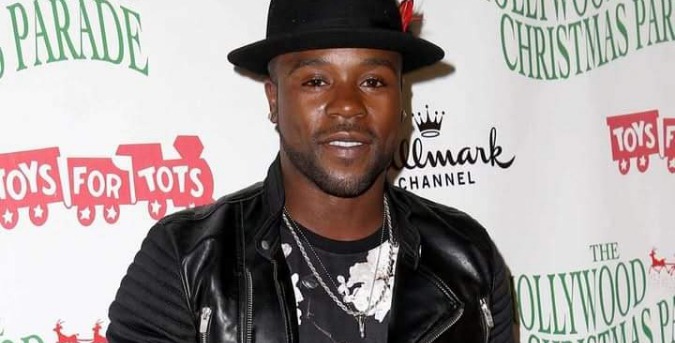
The funeral of “So You Think You Can Dance” Season 4 winner Joshua Allen took an unexpected turn — law‑enforcement officials were summoned to the service on two separate occasions, according to multiple media reports.
According to the Fort Worth Police Department, the first police call came in at about 1:27 p.m., describing a “disturbance where a person was on scene that certain parties did not want on scene.”
A second call followed around 2:53 p.m., again raising concerns about the same individual’s presence, leading officers to station themselves inside the venue until the service concluded. No arrests or citations were made in either incident.
Reporters cite social‑media footage and eyewitness accounts indicating that the dispute centred around a female attendee leaning over Allen’s open casket, which prompted an older woman to intervene — the interaction then escalated.
One side of the family, represented by Allen’s father, claimed the woman had the rightful permission to attend and bid farewell.
The other side reportedly objected to her presence, citing respect for the gathering and the nature of the ceremony.
Joshua Allen passed away on September 30, 2025, at 36 years of age, reportedly after being struck by a train in the Fort Worth area.
His funeral was meant as a solemn farewell to a hugely talented dancer and performer — winner of a major dance‑competition show, actor in films such as Step Up 3D and the 2011 remake of Footloose — but the disruption overshadowed the occasion.
For many who looked up to him, the moment remains bittersweet — a celebration of his artistry and kindness tainted by a frantic scene in a space meant for mourning and respect.
Grief‑filled events involving public figures often draw additional attention and higher emotion. The presence of conflict—even if brief and non‑violent—as at Joshua Allen’s funeral underscores how fragile such gatherings can be when relationships and permissions are strained.
With this, the episode may prompt family and event‑organisers to reconsider safeguards for future memorials, ensuring that at‑risk attendees or disputed presences don’t distract from the purpose of the service: honouring a life.
By Kenyans