

The British Army says it will take stronger action after an official inquiry revealed that some of its soldiers in Kenya engaged in conduct banned under military policy.
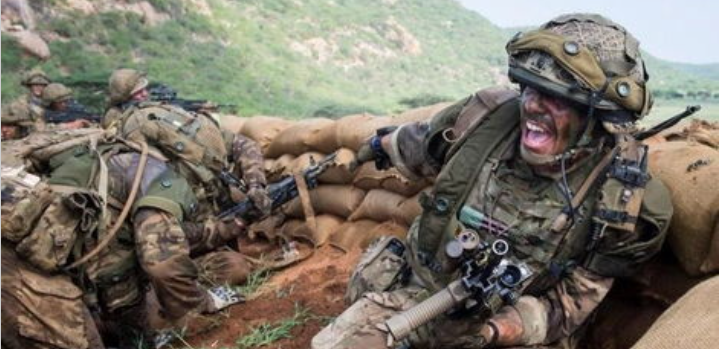
British soldiers during a training exercise.
The investigation looked into activities at the British Army Training Unit Kenya (BATUK) in Nanyuki between July 2022 and late 2024. It found that despite a formal ban on sexual exploitation, some soldiers continued engaging in transactional relationships with Kenyan women.
UK Chief of the General Staff, General Sir Roly Walker, called the behaviour unacceptable and contrary to the values of the British Army. “It should not be happening at all,” he said, noting that even at a low to moderate level, such conduct is still a violation of military rules.
The report, commissioned in October 2024, recommended stronger disciplinary powers, including dismissal of soldiers found breaking the policy. It also called for targeted training to reinforce the duty of all personnel to prevent sexual exploitation and abuse.
Walker confirmed that the army would fully implement these measures and work with other military branches to share best practices. He also said some reforms were already underway to ensure the safety of women in local communities.
The issue has drawn wider attention because BATUK has faced controversy before. Past concerns include civilian injuries, unclaimed children fathered by soldiers, and the high-profile, unresolved case of Kenyan woman Agnes Wanjiru, who was allegedly killed by a British soldier.
Despite these issues, a large section of the Nanyuki community continues to support the presence of the training camp, citing economic benefits.
The latest inquiry follows a 2024 exposé detailing misconduct at the base. While the findings acknowledge some improvements, they underline the need for consistent enforcement of policy and accountability for those who breach it.
For many observers, the question is whether these promised reforms will be enough to end a pattern of allegations that has lingered for more than a decade.
By Kenyans