

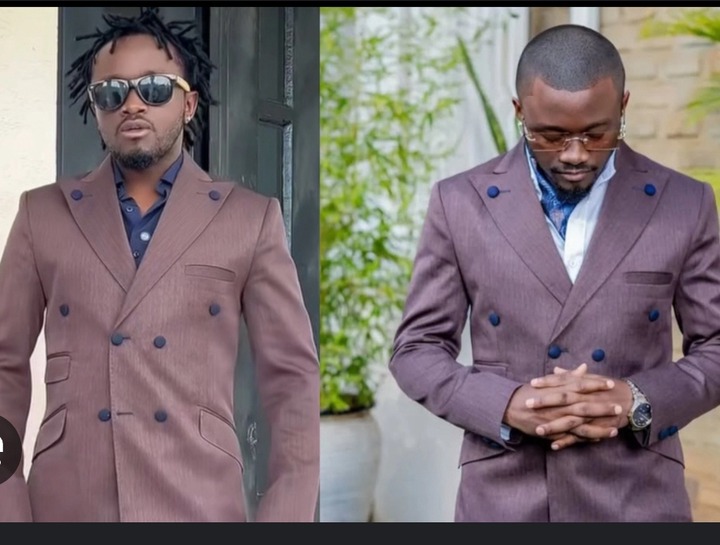
Kenyan singer and politician Kevin Bahati has found himself at the center of controversy after it was revealed that he did not shave his dreadlocks as he previously claimed. Instead, the viral photos showing him with a clean-cut look were reportedly edited versions of images he had originally posted in May 2024.
The revelation has sparked widespread discussion online, with fans and critics alike questioning the motive behind the apparent deception. Bahati had announced the drastic transformation on social media, claiming he had shaved his signature dreadlocks as part of a new personal and artistic chapter. The move was met with mixed reactions—some applauding his boldness, while others expressed surprise at the sudden change.
However, internet sleuths were quick to compare the new images with those from earlier posts and discovered that the photos were identical in pose, clothing, and background—only the hair appeared to be altered. Further analysis suggested digital manipulation was used to create the illusion of a haircut.
Social media users have called out the artist for misleading the public, accusing him of seeking attention or promoting a stunt for publicity. “Why lie about something so simple?” one user wrote. “We love your music, Bahati, but honesty matters too.”
Bahati has yet to respond publicly to the accusations or clarify his intentions behind the edited photos.
While the situation may seem trivial to some, it raises broader questions about authenticity and image in the age of social media. For public figures like Bahati, even small missteps can damage trust with fans and followers.
As the backlash continues to grow online, many are waiting to see whether the singer will offer an explanation—or quietly move on from the controversy.
By Kenyans