

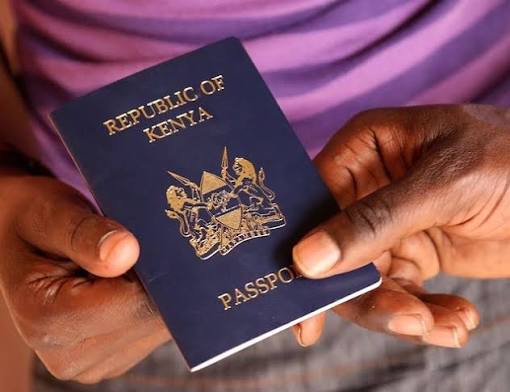
Many important activities in Kenya require people to provide personal documents. These include applying for jobs, enrolling in school, registering a business, accessing government services and purchasing property.
Unfortunately, some people only search for their documents when they need them urgently. Others discover that important certificates, payment records or agreements have been misplaced.
Keeping these documents organised can save time and make official processes easier. Below are eight important documents that every Kenyan should keep safely.
1. National Identity Card
A national identity card is an important document for Kenyan citizens. It is used to confirm personal identity when accessing various government services and completing official transactions.
Keep your original ID card in a secure place and avoid giving it to strangers. You should also protect copies of the card because they contain personal information that could be misused.
If your ID card is lost, report the loss and follow the official procedure for obtaining a replacement.
2. Academic Certificates and Transcripts
Academic certificates are necessary when applying for employment, further education and some professional opportunities.
Keep your KCSE certificate, university or college certificates, transcripts and other relevant academic records together. Employers and learning institutions may request these documents during application and verification processes.
Make digital copies of your certificates and store them in a secure account. However, do not depend on digital copies alone because some institutions may require original documents or officially certified copies.
3. Birth Certificate
A birth certificate records important details about a person’s birth, including their name, date of birth and parents’ details.
It may be required during school admission, applications for certain identity documents and other official processes.
Check that the information on your certificate is correct. If you notice an error, find out the official procedure for correcting it instead of making changes yourself.
Keep the original certificate in a dry and secure place to prevent damage.
4. KRA Tax Records
Tax records are important for individuals who earn income, operate businesses or have tax obligations.
Keep copies of your filed tax returns, payment receipts, tax compliance certificates where applicable and important communication from the Kenya Revenue Authority.
These records can help you confirm previous filings and payments when dealing with tax matters.
Organise the documents by year so that you can retrieve a particular record without searching through unrelated files.
5. Employment Documents
Employment documents provide evidence of your work history and the terms agreed upon between you and your employer.
Keep copies of your employment contract, appointment letter, promotion letters, payslips and documents relating to the end of employment.
These records can be useful when applying for another job, confirming previous earnings or resolving disagreements about employment terms.
Do not discard old employment documents simply because you have moved to another workplace. Some may still be useful several years later.
6. Medical Records
Medical records contain information about previous medical consultations, treatment and investigations.
Keep important documents such as laboratory results, medical reports, prescriptions and hospital discharge summaries.
These records can help healthcare professionals understand your previous treatment when you visit a hospital or clinic.
Because medical information is private, store it securely. Only share it with healthcare providers or other authorised people when necessary.
7. Land and Property Documents
People who own land or houses should keep their property documents in a secure location.
Important records may include title documents, sale agreements, official search results, transfer documents and payment receipts.
These records can help establish the history of a property transaction and provide useful evidence when ownership questions arise.
Before purchasing land, verify the ownership information through the relevant official channels. Never rely only on photocopies or promises made by a seller.
8. Insurance and Loan Agreements
Insurance policies and loan agreements contain important information about financial obligations and contractual terms.
Keep copies of insurance policies, premium payment receipts, loan agreements and repayment statements.
Read these documents carefully and understand the payment conditions, applicable charges and responsibilities involved.
If you have an outstanding loan, keep records of payments made. They can help you confirm your repayment history if a disagreement occurs with the lender.
How to Store Important Documents Safely
Keeping important documents is not enough. You also need a reliable way to protect and organise them.
Use a labelled folder or secure cabinet for original paper documents. Separate certificates, financial records, employment documents and property papers so that they are easier to find.
Scan important documents and save digital copies in a password-protected account. Where possible, keep another backup in a separate secure location.
Avoid sharing copies of your documents through unknown websites or with unverified individuals. If you must submit a copy, first confirm who is requesting it and why it is needed.
Personal documents play an important role in education, employment, financial activities and property ownership. Losing them can create unnecessary delays and make official processes more difficult.
Keep your identity card, academic certificates, birth certificate, tax records, employment documents, medical records, property papers and financial agreements properly organised.
Taking time to store these records safely can help you access important information whenever you need it.