

In his remarks, Kibiwott questioned how details surrounding Oburu’s medical condition appeared to have become a subject of public discussion, arguing that every patient deserves dignity, privacy and confidentiality regardless of their political position or public standing.
The philanthropist noted that although he was not a medical professional, the circumstances surrounding the public exposure of the ODM leader’s health had prompted questions about the handling of sensitive medical information.
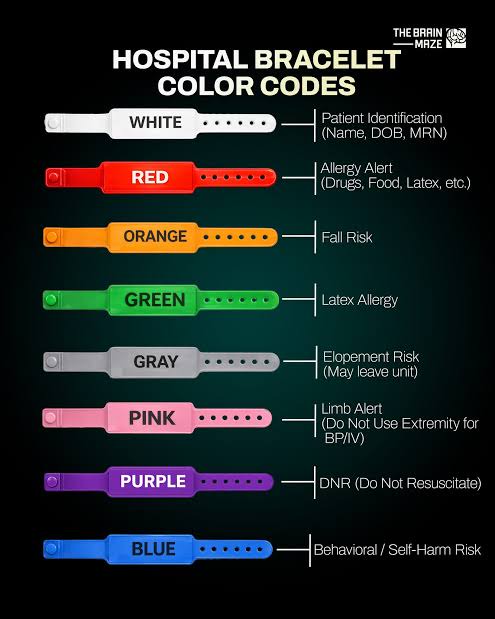
Kibiwott also drew attention to the red wristband reportedly seen on Oburu, noting that hospital wristbands can serve different purposes depending on the policies of individual healthcare facilities.
In some hospitals, red wristbands are used to alert medical staff to allergies or other patient-safety concerns.
However, colour-coding systems differ between institutions, meaning the colour alone cannot reliably establish a patient’s medical condition or the specific precautions being taken.
He emphasised that medical information should be handled responsibly and that healthcare providers have a duty to protect patients from unnecessary exposure.
The discussion has also highlighted the broader significance of medical identification bands, which hospitals use to communicate essential information to healthcare workers.
Outside clinical settings, coloured wristbands are commonly associated with public awareness campaigns supporting causes such as cancer research and mental health advocacy.
Kibiwott’s concerns come amid public interest in Oburu’s health, with the veteran politician’s condition attracting attention because of his prominent role in Kenyan politics and the ODM party.