

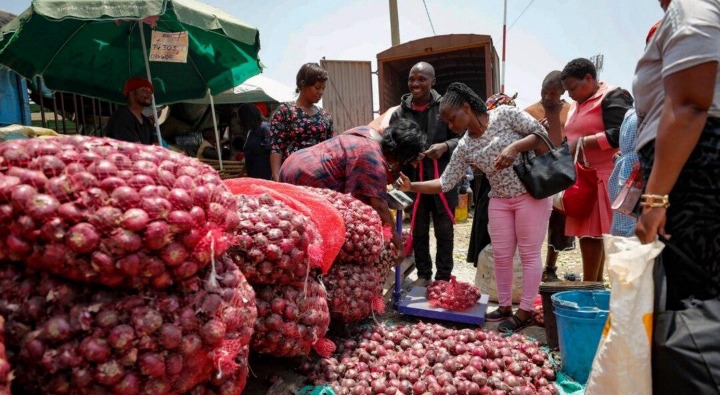
Across open-air markets, bus stages, and neighborhood stalls from Nairobi to Kisumu, millions of ordinary Kenyans wake up before dawn with a single, driving purpose: to hustle, earn an honest living, and provide for their families. Yet, despite working harder and longer hours than ever before, many find their incomes stretching thinner each month.
The struggle is no longer just about personal ambition—it has become a daily battle simply to afford basic survival.
Recent economic data reveals a sobering picture of why the cost of living continues to bite hard, turning everyday budgeting into an exhausting exercise in financial survival.
The Numbers Behind the Squeeze: Inflation Trends
The economic reality facing households is reflected clearly in macroeconomic indicators. According to data from the Kenya National Bureau of Statistics (KNBS) and market monitors, Kenya’s annual headline inflation rate rose to 6.8% in September 2026, up from 6.6% in August and 6.4% in June. This upward trajectory marks the sixth consecutive month that inflation has remained above the midpoint of the Central Bank’s target range, underscoring persistent price pressures across the economy.
The most painful component for ordinary households is the cost of basic nutrition. Food and non-alcoholic beverage inflation accelerated to 9.5% in September 2026, up from 9.0% earlier in the third quarter. Because food accounts for a major share of household expenditures, this spike directly hits low- and middle-income earners hardest.
Key drivers of this food price inflation include essential commodities such as maize flour, loose maize grain, sugar, Irish potatoes, tomatoes, and vegetables like sukuma wiki. When the price of these everyday basics climbs, families are forced to make difficult trade-offs, often cutting down on dietary diversity or meal portions.
Transportation and Energy Pressures
Beyond the dinner plate, moving people and goods across the country remains stubbornly expensive. Transportation inflation hovered around 15.6% to 15.7% over recent months, driven by fluctuating global oil prices and their direct pass-through effects on local fuel and transport costs.
For the average commuter relying on crowded matatus or boda bodas to get to work, higher transport costs eat up a significant chunk of daily earnings before any food or rent is paid. International bodies, including the International Monetary Fund (IMF), have pointed to global commodity and energy market volatilities as external headwinds keeping import and production costs high.
The Digital Reality: M-Pesa Balances and Daily Calculations
In urban settlements and rural trading centers alike, the financial reality is measured in real-time on mobile screens. Checking an M-Pesa balance before boarding a matatu or buying lunch has become a tense ritual for many young workers and informal traders.
While visible markers of success—such as new businesses, expanded storefronts, or upgraded vehicles—dominate public spaces and social media feeds, they often mask the intense, invisible labor required to stay afloat. Informal traders operating in open-air markets face fluctuating wholesale prices, high transport overheads, and shifting consumer purchasing power. Many vendors report selling higher volumes of goods with narrower profit margins, meaning that a busy day of work yields less actual purchasing power than it did a year ago.
Resilience Versus Structural Reality
Kenyans are renowned globally for their enterprise, adaptability, and resilience. From micro-entrepreneurs launching digital side hustles to market traders pooling resources through informal merry-go-rounds (chamas), ordinary citizens are doing everything in their power to shield their households from economic shocks.
However, economists and policy analysts emphasize that individual hustle alone cannot fully insulate citizens from structural economic pressures. Sustained high inflation, elevated transportation costs, and high food prices require coordinated interventions—such as improving agricultural supply chain efficiencies, lowering production costs for local farmers, and easing the tax burden on essential consumer goods.
Final Thoughts
Life is becoming more expensive not because ordinary Kenyans are failing to work hard, but because the cost of basic survival is outpacing income growth. Recognizing this reality is vital. Beyond the statistics and macroeconomic forecasts lies the human story of millions of people who wake up every day determined to build a better future—deserving of dignity, stability, and an economic environment where their best efforts are genuinely rewarded.