

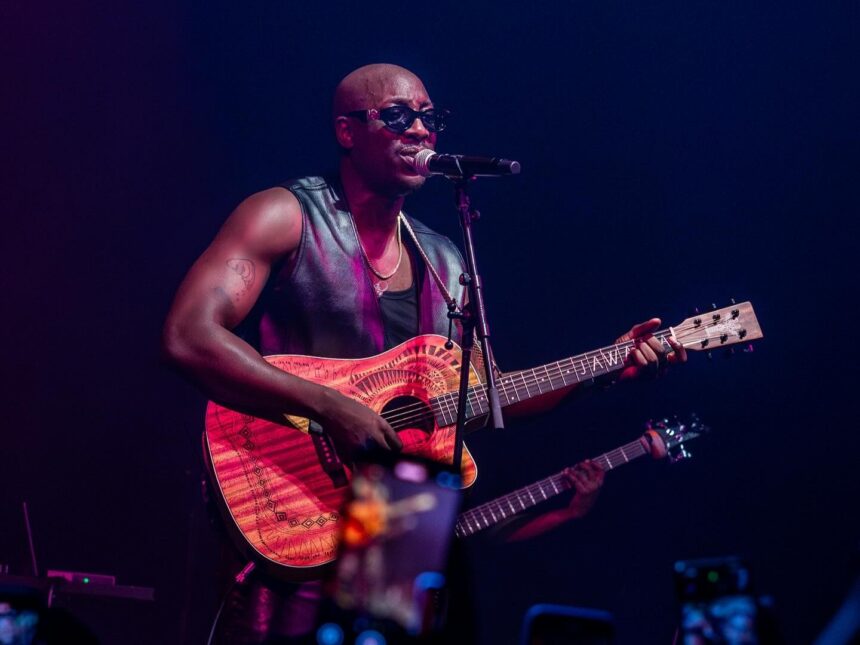
Kenyan musicians Nviiri the Storyteller and Bien have unfollowed each other on Instagram, a move that has ignited debate over how artistic alliances are increasingly shaped by political and social positions. Their split highlights a deeper tension between cultural expression and political engagement in Kenya’s creative industry.
The rift between Nviiri and Bien stems from diverging views on alcohol advertising regulations and participation in international political events. Nviiri has openly supported NACADA’s push for stricter alcohol advertising controls, arguing that such measures protect young audiences from harmful influence. Bien, however, has warned that the restrictions could stifle creativity and reduce income streams for artists, framing the issue as one of economic survival for the entertainment sector.
The disagreement deepened when Bien performed at the Africa Forward Summit in Nairobi, an event linked to French President Emmanuel Macron. Nviiri criticized African artists who align with what he described as neo-colonial systems, suggesting that such collaborations undermine Africa’s cultural independence. While he did not name Bien directly, the implication was clear and fueled speculation about their deteriorating relationship.
The two artists were once closely connected, with Nviiri previously signed under Bien’s Sol Generation label. Their professional bond began to fray when Nviiri sided with fellow musician Otile Brown during an online spat with Bien and later collaborated with him on the track Furaha Yako. This move was seen by fans as a symbolic break from his former mentor, reinforcing perceptions of growing hostility.
The unfollowing has sparked mixed reactions among Kenyan fans, many of whom admire both artists. Some argue that creative differences should not be conflated with political stances, while others see the split as a reflection of broader ideological divides within the entertainment industry. The incident underscores how Kenya’s music scene is increasingly entangled with political discourse, raising questions about whether artists should prioritize cultural solidarity or individual political expression.
Beyond the headlines, the fallout between Nviiri and Bien carries implications for younger musicians navigating the industry. With mentorship and collaborations often serving as gateways to success, ideological rifts among established figures risk fragmenting support networks. For emerging artists, the debate over whether to align with political movements or remain neutral could shape career trajectories in ways that extend far beyond social media.
In essence, the Nviiri–Bien split is more than a celebrity feud. It reflects the growing intersection of art, politics, and cultural identity in Kenya, where musicians are increasingly expected to take stands that resonate beyond the stage.