

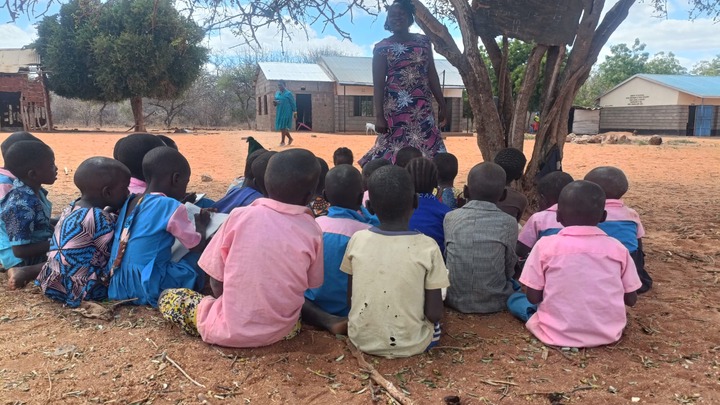
A sharp debate has emerged in Kitui County after images and reports revealed the shocking state of Imumba Primary School in Zombe, Kitui East Constituency.
The school, which hosts 371 pupils, is said to be in deplorable condition, with crumbling infrastructure that paints a picture of neglect and underinvestment in the education sector.
This revelation comes at a time when the government has poured Ksh 700 million into the construction of the 10,000-capacity Ithookwe Stadium in Kitui town, a state-of-the-art facility meant to host this year’s Mashujaa Day celebrations.
Parents, teachers, and local leaders have questioned the government’s priorities, arguing that while the stadium may serve national prestige, the pressing needs of schoolchildren in rural areas have been sidelined.
Pupils at Imumba Primary reportedly endure broken classrooms, leaking roofs, and lack of desks—conditions that many feel undermine their right to quality education.
Education stakeholders have warned that the contrast between the gleaming stadium and the collapsing school structures underscores a bigger problem in Kenya’s development model—one that often favors prestige projects over basic community needs.
The government, however, has defended the Ithookwe Stadium project, noting that it will not only host national events but also boost local sports, tourism, and economic activities. Proponents argue that the stadium will put Kitui on the national map and generate revenue for the county.
While national celebrations require proper infrastructure, they argue that equal—if not greater—attention should be given to education, which directly shapes the future of children in underserved regions.
But even as Mashujaa Day draws closer, the contrasting images of Ithookwe Stadium and Imumba Primary School remain symbolic of Kenya’s dilemma: the tension between investing in high-profile projects and addressing the silent struggles of ordinary citizens.
By Newshub