

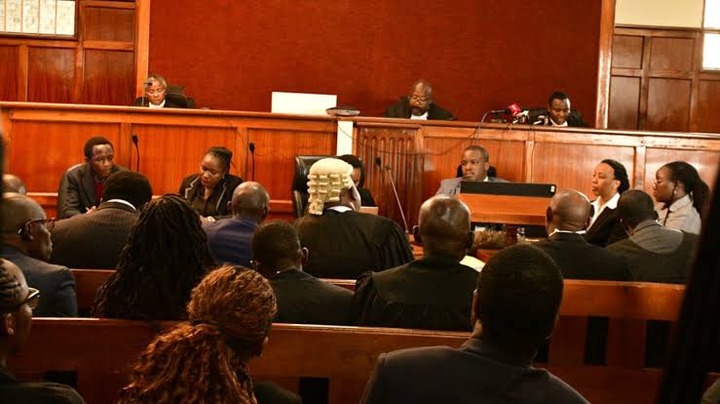
The High Court has directed the Independent Electoral and Boundaries Commission (IEBC) and Parliament to provide a detailed explanation within seven days on why they have not acted on citizen petitions seeking the recall of certain Members of Parliament. This follows mounting frustration from voters who accuse the two institutions of stalling the process without proper justification.
Petitioners had urged the court to immediately compel the IEBC to process the recall applications. However, the judges declined to grant that instant order, instead opting to allow the accused institutions an opportunity to formally respond to the allegations.
The citizens behind the case argue that the delays are a direct assault on their constitutional right to hold elected leaders accountable. They maintain that failing to address such petitions erodes public trust and shields underperforming or controversial MPs from facing the will of their constituents.
In its defense, the IEBC has previously stated that no enabling legislation exists to guide the recall of lawmakers. This position has drawn criticism from activists who insist that constitutional provisions are sufficient and that the lack of action amounts to an unconstitutional delay.
The matter has gained significant public attention in Nairobi, where a petition to recall Woman Representative Esther Passaris has been under review. Critics say the process has been slow and overly bureaucratic, adding to perceptions of reluctance from the electoral body.
Parliament has also faced questions over why it has not enacted a clear law to operationalize the recall mechanism. While National Assembly Speaker Moses Wetang’ula has argued that responsibility lies with the IEBC and the Attorney General, many Kenyans believe the legislature has a role in ensuring such processes are functional.
The seven-day deadline now sets the stage for a potentially precedent-setting court ruling. If the High Court sides with the petitioners, it could compel both institutions to take swift action on pending recall cases.
Observers say the outcome will test Kenya’s commitment to political accountability. For many citizens, this is not just a legal matter but a broader fight to ensure that elected leaders remain answerable to the people who put them in office.
By Nairobi