

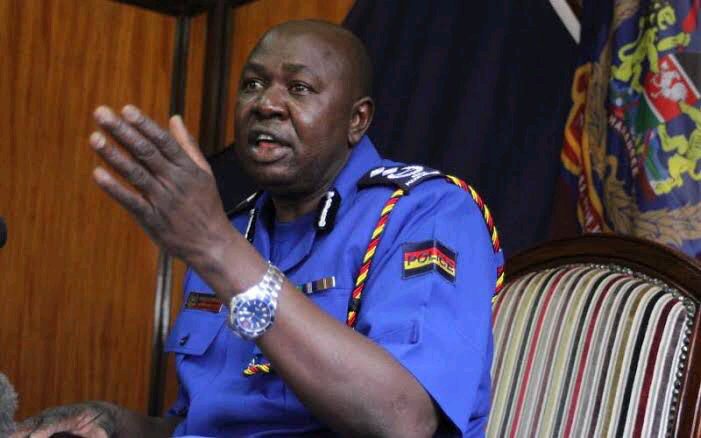
Former police spokesperson Charles Owino has clarified why Albert Ojwang was not detained at a Homabay police station but instead transferred to Nairobi for questioning. Speaking on Ramogi TV, Owino stated that Ojwang’s case involved serious allegations under the Computer Misuse and Cybercrimes Act, requiring specialized handling by the Directorate of Criminal Investigations (DCI) headquarters.
Owino emphasized that Ojwang was being probed for publishing false information—a complex offense demanding digital forensic analysis. Local police stations lack the capacity to examine electronic evidence, including social media posts, messages, and phone data. Only DCI experts in Nairobi possess the tools to recover deleted data and trace online misinformation.
He dismissed claims of unfair treatment, stating that due process was followed to ensure a thorough investigation. “This wasn’t an ordinary arrest; it required advanced expertise,” Owino said, adding that Homabay facilities couldn’t support such technical inquiries.
Owino urged the public to exercise caution when sharing sensitive or political content online, warning against spreading false information. He assured that Ojwang’s rights were respected and that the move to Nairobi aimed at a professional, evidence-based probe.
The decision, he said, was procedural—not punitive—to uphold legal and technical standards in uncovering the truth. The case highlights the growing role of digital forensics in combating cybercrimes in Kenya.
By Nairobi