

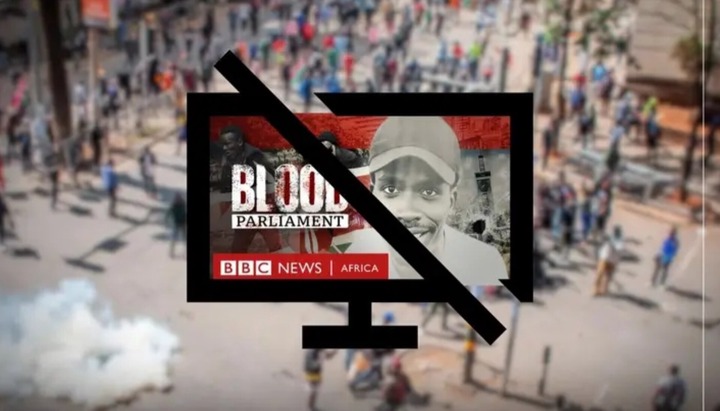
According to a representative for NTV, “pressure from authorities” caused the documentary Blood Parliament, which purports to reveal state violence during the recent protests in Kenya, to be abruptly canceled.
Many Kenyans have taken to social media to voice their displeasure and defiance in response to the decision, which has caused widespread online outrage. Ojiambo was among those who contended that the cancellation was unnecessary because the documentary had already received a large number of downloads.
Others, like Moraa, accused the government of using excessive force and urged the public to watch the YouTube video and keep in mind what happened before the next election.
Even harsher was Timra’s response, which called Kenya the “most corrupt country in the world.”
In order to remind people of historical injustices, Steve suggested that the documentary should have aired closer to the elections. He also criticized the BBC for its timing.
Rwito promised that their sacrifices would not be forgotten while drawing attention to the terrible deaths of children during the protests.
Suspicions of government censorship have been heightened by the question of why authorities would ban the movie if it contained no damaging revelations.
As Kenyans continue to share the documentary online, the incident highlights the escalating conflicts between the public and the government over accountability and transparency.
The government’s attempt to ban the movie may have backfired, increasing its visibility and fostering public mistrust, as it is still available on websites like YouTube. The backlash shows how it is harder than ever to silence a story in the digital age.
By Kenyans