

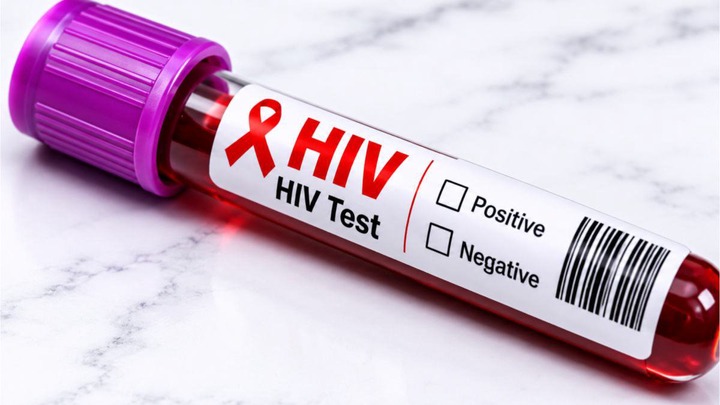
As the United Nations warns that new HIV infections could begin rising in 2027 due to reduced funding for prevention programmes, attention has returned to the importance of testing, treatment and understanding how the virus spreads.
In Kenya, 2026 estimates show that approximately 1.48 million people are living with HIV, with 91% receiving antiretroviral therapy (ART) and 87% of those on treatment having achieved viral suppression, according to figures cited by the National Syndemic Diseases Control Council and UNAIDS.
One term that often causes confusion is undetectable HIV, a condition that allows people living with the virus to maintain their health and significantly reduce the risk of transmitting it to others.
What does undetectable HIV mean?
Undetectable HIV refers to a situation where antiretroviral medicines have reduced the amount of HIV in a person’s blood to levels so low that standard viral load tests cannot detect it.
HIV attacks the body’s immune system, particularly CD4 cells, which help fight infections. After someone contracts the virus, it begins multiplying in the body, gradually weakening the immune system if left untreated.
However, with proper treatment, the virus can be suppressed to very low levels, allowing the immune system to recover and function more effectively.
Being undetectable does not mean HIV has been eliminated from the body or that someone has been cured. The virus remains present, but treatment keeps it under control.
Why do some people with HIV become undetectable?
People living with HIV can achieve an undetectable viral load through consistent use of antiretroviral drugs, commonly known as ARVs.
These medicines work by stopping HIV from making copies of itself, reducing the amount of virus circulating in the bloodstream.
According to HIV.gov, almost everyone who takes HIV medication as prescribed can achieve an undetectable viral load, usually within six months of starting treatment.
However, treatment effectiveness depends on taking medication consistently and attending scheduled medical appointments.
Missing doses, stopping treatment or developing resistance to particular medicines can allow the virus to multiply again, increasing the viral load.
Healthcare providers therefore recommend regular viral load testing to establish whether treatment is working.
Can someone with undetectable HIV transmit the virus?
The answer depends on the method of transmission.
Under the Undetectable = Untransmittable (U=U) principle, a person living with HIV who maintains an undetectable viral load through treatment does not transmit the virus through intimate contact.
However, this protection should not be confused with a cure or assumed to apply to every possible transmission route.
For example, the risk of mother-to-child transmission during pregnancy, childbirth and breastfeeding is greatly reduced by treatment, but breastfeeding transmission risk is not completely eliminated.
The World Health Organization emphasises the importance of continued treatment and viral load monitoring.
Ultimately, achieving an undetectable viral load allows people living with HIV to enjoy healthier lives while helping prevent further transmission of the virus.