

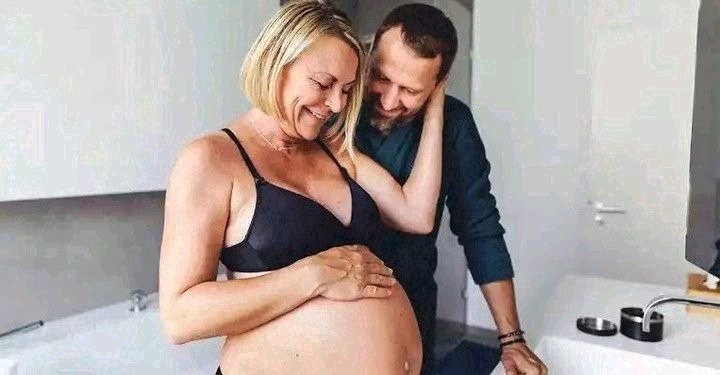
The oldest age a woman can get pregnant naturally is influenced by various factors, including her overall health, reproductive system function, and genetics. While menopause typically occurs around the age of 50, the ability to conceive naturally usually declines significantly before then.
Fertility begins to decline gradually in women starting in their late 20s to early 30s, accelerating around age 35. By age 40, fertility significantly decreases due to fewer viable eggs and a decline in egg quality. Despite this decline, some women do conceive naturally in their early 40s, although the chances are lower compared to younger ages.
Advanced maternal age (defined as 35 years and older) carries higher risks for both mother and baby during pregnancy and childbirth. Women over 35 have a higher risk of developing complications such as gestational diabetes, high blood pressure, and chromosomal abnormalities in the fetus, such as Down syndrome. Additionally, the risk of miscarriage increases with age.
While there are cases of women giving birth naturally in their late 40s and even early 50s, these instances are rare and often involve unique circumstances. In some cases, women may conceive naturally at older ages due to genetic predispositions, exceptional health, or assisted reproductive technologies like in vitro fertilization (IVF).
It’s essential for women considering pregnancy at an older age to consult with a healthcare provider to understand the potential risks and options available. Additionally, fertility treatments such as IVF can extend the window of opportunity for conception for some women, but success rates decline with age.
Ultimately, while there is no absolute cutoff age for natural conception, the likelihood decreases significantly after age 40, and the risks associated with pregnancy increase.
https://www.medicinenet.com/oldest_age_a_woman_can_get_pregnant_naturally/article.htm