

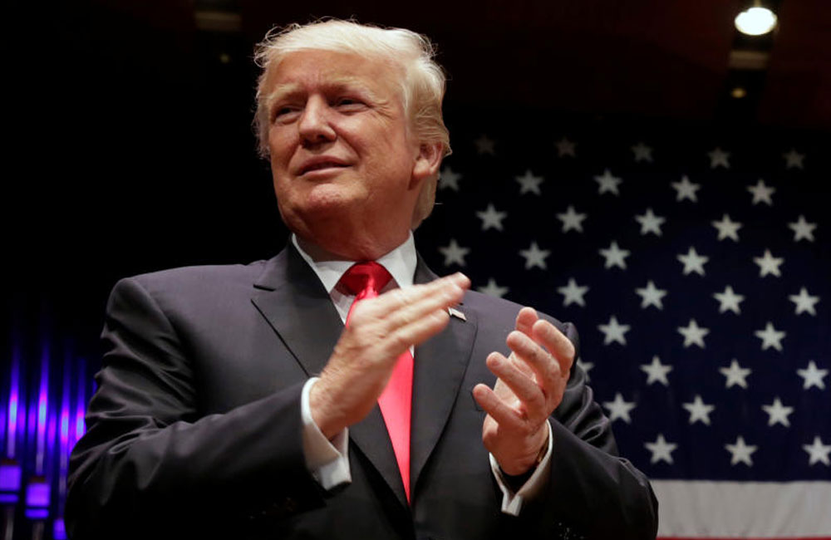
Donald Trump has escalated political tensions by announcing a sweeping crackdown on what he alleges is widespread fraud among Democratic politicians across several key states.
The directive places JD Vance at the center of the initiative, assigning him a newly coined “Fraud Czar” role to spearhead investigations nationwide.
According to Trump, the effort will particularly focus on Democratic-led states, which he claims have experienced significant mismanagement and misuse of taxpayer-funded programs.
The announcement was made through Trump’s Truth Social platform, where he described the alleged fraud as unprecedented and potentially large enough to impact the national budget.
He argued that recovering misappropriated funds could contribute significantly toward balancing federal expenditures and restoring fiscal discipline across government programs.
The initiative follows an earlier executive order signed in March establishing a national task force aimed at investigating fraud within federally funded social welfare systems.
Trump has repeatedly pointed to states such as California, New York, and Illinois as examples where oversight has allegedly failed, allowing fraudulent schemes to thrive.
A notable case referenced involves a large-scale fraud scheme in Minnesota, where dozens of individuals were accused of diverting millions intended for child nutrition programs.
Federal authorities have since intensified investigations into similar cases, with reports indicating that enforcement actions, including raids, have already begun in certain regions.
Critics, however, argue that the move is politically motivated and disproportionately targets Democratic strongholds while raising concerns about the broader implications for federal-state relations.
Supporters of the initiative maintain that addressing fraud is necessary to protect public funds and ensure that government assistance reaches intended beneficiaries.
As the task force prepares to deliver a comprehensive anti-fraud strategy within ninety days, the development signals a deepening divide in American politics ahead of upcoming electoral cycles.