

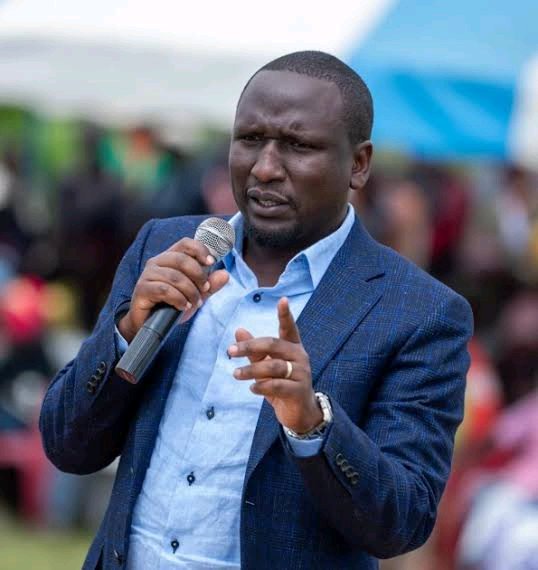
Senator Aaron Cheruiyot has stirred political debate after questioning whether social media popularity and frequent public appearances are enough to propel an aspiring politician to Kenya’s presidency.
In remarks reported by Kenyans.co.ke on October 9, 2026, Cheruiyot cited the late Raila Odinga’s repeated presidential bids to illustrate the difficulties associated with securing the country’s highest political office.
“Getting the presidency is not easy. Raila tried five times and he failed,” Cheruiyot said.
The senator also questioned politicians who regularly post messages on Facebook and visit markets while creating expectations among their supporters that they will eventually become president. His comments challenged the assumption that public visibility automatically translates into electoral success.
Raila Odinga’s presidential campaigns remain a significant part of Kenya’s political history. He contested the presidency in 1997, 2007, 2013, 2017 and 2022 but did not win any of those elections.
Despite his unsuccessful bids, Raila remained a major figure in national politics for decades. He maintained a substantial political following, influenced national debates and played a prominent role in shaping the country’s political landscape. His career illustrates the distinction between maintaining political influence and winning the presidency.
Cheruiyot’s remarks come as politicians begin positioning themselves and their political allies ahead of the 2027 General Election. Aspiring candidates are seeking to expand their support bases, strengthen their public profiles and establish alliances that could improve their reach among voters.
However, the senator’s comments have raised questions about the effectiveness of relying heavily on social media engagement, market visits and public rallies without presenting a broader political programme. Although these activities can help politicians connect with citizens, they do not by themselves demonstrate the ability to govern a country.
A presidential campaign typically requires candidates to communicate their policy proposals, demonstrate leadership experience, build support across different regions and explain how they intend to address national challenges. Voters also have to consider issues such as economic management, public services, security and accountability when assessing those seeking office.
As the 2027 election approaches, Cheruiyot’s remarks add to the debate about what distinguishes a serious presidential campaign from ordinary political visibility. His comments underscore the challenges facing aspirants who must turn public recognition into nationwide electoral support.
Whether the senator’s criticism will influence how candidates approach their campaigns remains uncertain, but the discussion highlights the demanding nature of Kenya’s presidential contest and the multiple factors that shape electoral outcomes.