

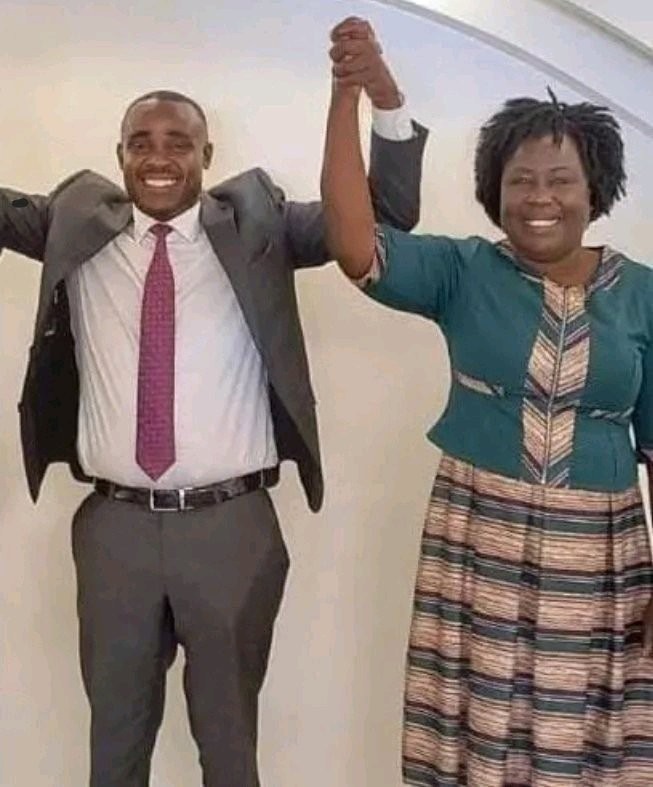
The political storm surrounding Butere Girls High School’s banned play took a dramatic turn as playwright Cleophas Malala directly accused President Ruto of being threatened by the production.
Malala insisted the controversial “Echoes of War” drama could actually help Ruto become a better leader, sparking fierce reactions across the country.
Public outrage erupted after reports emerged of police confronting students, with Roy Captain blaming Kikuyu, Kalenjin and Bukusu voters for enabling what he called a “government that fights children.”
The sentiment reflects growing frustration with the administration’s heavy-handed approach to student expression.
Critics like Peter John argued schools should remain politics-free zones, accusing politicians of exploiting children for their own gain.
The debate intensified when Brian mocked Ruto’s unfulfilled promises, contrasting his pledge to provide schools with chapati-making machines with the reality of police deploying teargas against students.
In a bizarre twist, unverified reports claimed three officers required hospitalization after attempting to argue with the English-fluent Butere students. While details remain unclear, the incident has become symbolic of the government’s clumsy handling of the situation.
The standoff has exposed deep societal divisions, with some Kenyans applauding the students’ courage while others condemn what they see as political manipulation of minors.
As tensions escalate, the Butere Girls drama controversy has transformed from a school competition issue into a national referendum on freedom of expression and the limits of state power.
With emotions running high and trust in institutions eroding, many wonder whether this marks a turning point in Kenya’s democratic development or just another chapter in the country’s turbulent political history.
The government’s next moves will be closely watched as citizens demand both protection of children’s rights and preservation of academic freedom.
By Newshub