

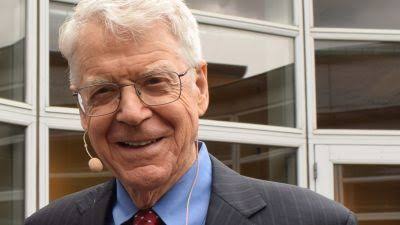
In 2004, at just 58 years old, former President Bill Clinton underwent a major four-hour heart surgery. Despite this intervention, he later required a stent due to continued arterial blockage. Recognizing that traditional treatment was not enough, Clinton turned to a different solution: nutrition. Guided by Dr. Caldwell Esselstyn Jr., a 91-year-old general surgeon and pioneer of the plant-based nutrition movement, Clinton completely transformed his diet. Now thriving at 78 years old in 2025, Clinton credits a plant-based, oil-free lifestyle with changing his metabolism and dramatically improving his health. His journey underscores the transformative power of nutrition in preventing and reversing heart disease.
The Man Behind the Diet: Dr. Caldwell Esselstyn Jr.
Dr. Esselstyn, renowned author of Prevent and Reverse Heart Disease, is unapologetically militant in his approach to diet. He argues that coronary artery disease is a “toothless paper tiger” that need never exist, and if it does, it need never progress. His method is rooted in removing foods that injure the endothelium—the delicate inner lining of blood vessels responsible for producing life-sustaining nitric oxide. According to Esselstyn, the body has an astonishing ability to heal itself if harmful foods are eliminated entirely. Unfortunately, the medical profession, he says, has focused too much on drugs and surgeries rather than addressing the root cause: diet.
The Damage Begins With Every Bite
Every time we consume unhealthy food—like a cheeseburger, pizza, or milkshake—the first thing that happens is that cellular elements in our bloodstream become sticky. Endothelial cells, platelets, white blood cells, and LDL cholesterol all start to clump together, setting the stage for arterial damage. Dr. Robert Vogel, former chairman of cardiology at the University of Maryland, demonstrated this through a simple experiment: healthy young adults who ate a sausage and hash brown breakfast experienced severe endothelial dysfunction within just 120 minutes. Their arteries lost the ability to dilate properly. Though they recovered later in the day due to their youth, the concern is chronic damage caused by eating such foods regularly. This slow destruction of endothelial cells from childhood contributes to the widespread epidemic of cardiovascular disease.
Even Healthy-Looking People Are at Risk
In a long-term study spanning 95,000 patient-years, men and women who were perfectly healthy at age 55—with ideal weight, blood pressure, and cholesterol—were tracked for 30 years. By age 85, 30% of women and 40% of men had developed cardiovascular disease. The message is clear: even those who seem well today are at risk if they continue consuming foods that damage their endothelium. Prevention, Dr. Esselstyn asserts, lies in dietary awareness and change.
The Top Six Foods to Avoid for Endothelial Health
Dr. Esselstyn identifies six major dietary culprits that harm the endothelium and compromise heart health. Avoiding these can help not only prevent but even reverse heart disease.
1. Oil – Even “Heart Healthy” Oils
Olive oil may have gained a reputation as heart-healthy, but Dr. Esselstyn is firm: No oil. Not olive, corn, soybean, safflower, sunflower, coconut, or palm oil. He references studies where both saturated fats and monounsaturated fats like olive oil resulted in progression of heart disease. Even oils that improve cholesterol ratios still damage endothelial function and activate clotting factors. No study has shown that diets including oil reverse advanced cardiovascular disease. Oils, even hidden in crackers, bread, and salad dressings, should be avoided completely.
2. Caffeinated Coffee
Dr. Esselstyn strongly advises against caffeinated coffee. A 2010 Italian study demonstrated that caffeine reduces the body’s ability to produce nitric oxide, thus impairing endothelial function. Decaf coffee, however, does not have the same detrimental effect. Interestingly, tea—whether black or green—does not appear to produce the same endothelial damage, suggesting that something unique to coffee and caffeine in combination is the issue.
3. Meat, Poultry, and Fish
Anything with a mother or a face is off-limits. Meat, fish, chicken, and turkey are all considered harmful. In 2015, the World Health Organization classified red meat as having the same carcinogenic potential as cigarettes. Dr. Esselstyn includes all animal products in his list of foods to avoid, as they contribute to endothelial damage and long-term cardiovascular risk.
4. Alcohol
Alcohol, according to Dr. Esselstyn, is a toxin. When metabolized, it forms acetaldehyde, which is damaging to cells in the brain, liver, and kidneys. While he allows that a single glass of wine or beer once a week may be acceptable, his overall stance is clear: alcohol contributes to the deterioration of the endothelium and should be minimized or avoided altogether.
5. Excess Sugar and Sweeteners
Sugar—especially in the form of fructose—also damages endothelial cells. While natural sweeteners like maple syrup, honey, and molasses may seem less harmful, overconsumption still leads to harm. Moderation is key, but Dr. Esselstyn recommends significantly reducing sugar intake across the board.
6. Dairy Products
Milk, cream, butter, cheese, ice cream, and yogurt are all on the no-go list. These products contribute to cholesterol buildup and further endothelial injury. Eliminating dairy is central to the plant-based diet that Clinton adopted and Dr. Esselstyn advocates.
The Healing Power of Food
The essential takeaway from Dr. Esselstyn’s decades of research and practice is that the body has an incredible ability to heal when harmful inputs are removed. Nitric oxide, produced by healthy endothelial cells, is vital for vascular function. The foods we eat determine whether these cells are protected or destroyed. Through a whole-food, plant-based, oil-free diet, many have reversed arterial blockages and restored heart health—even those who were previously seriously ill.
Former President Clinton’s transformation serves as living proof. He now begins every day with a fruit-and-protein shake using almond milk, and sustains himself on beans, legumes, vegetables, and fruits. His success story is not just about personal willpower—it’s a testament to the evidence-based power of nutrition.
Conclusion
If you want to live a long, vibrant life—possibly to 100—Dr. Esselstyn’s message is simple: remove the six endothelial-damaging foods from your diet. That means saying goodbye to oil, caffeinated coffee, meat and fish, alcohol, excessive sugar, and dairy. Instead, embrace a lifestyle that nourishes your blood vessels and allows your body to repair itself. The science is clear, the stories are compelling, and the choice is yours.
By Kenyans