

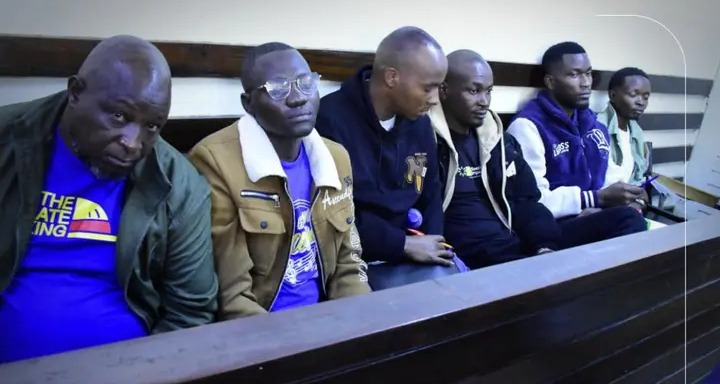
The long-awaited murder trial over the death of teacher and blogger Albert Omondi Ojwang has officially started at the High Court in Nairobi, with former Central Police Station OCS Samson Talaam and five other accused persons appearing in the dock.
Talaam, who was the officer in charge of Central Police Station at the time Ojwang was detained, is facing murder charges alongside other suspects, mainly police officers linked to the station. All the accused persons have denied the charges and the case is now set to be determined through evidence presented in court.
Ojwang, a teacher and social media commentator, died while in police custody in Nairobi in June 2025. His death sparked national debate, with many Kenyans demanding answers over the circumstances surrounding his arrest, detention and eventual death.
Initial police accounts had suggested that Ojwang died after allegedly harming himself while in custody. However, a postmortem examination later indicated that he had suffered injuries consistent with physical assault, leading investigators to pursue a murder inquiry.
The prosecution is expected to present evidence seeking to explain what happened inside the police station and establish the individual responsibility of each accused person. The defence teams, on the other hand, will have an opportunity to challenge the evidence and present their arguments before the court.
The trial has attracted significant public attention because it touches on wider concerns about police accountability, protection of detainees’ rights and the responsibility of security agencies when people are held in custody.
The six accused persons include Talaam and other individuals who were linked to Ojwang’s detention. The court will hear testimony from witnesses, examine documentary evidence and consider expert reports as the trial progresses.
For Ojwang’s family, friends and many Kenyans who followed the case, the trial represents a crucial step toward seeking justice and establishing the truth behind his death.
The court proceedings are expected to continue over several hearings, with both the prosecution and defence presenting their cases before a final determination is made.