

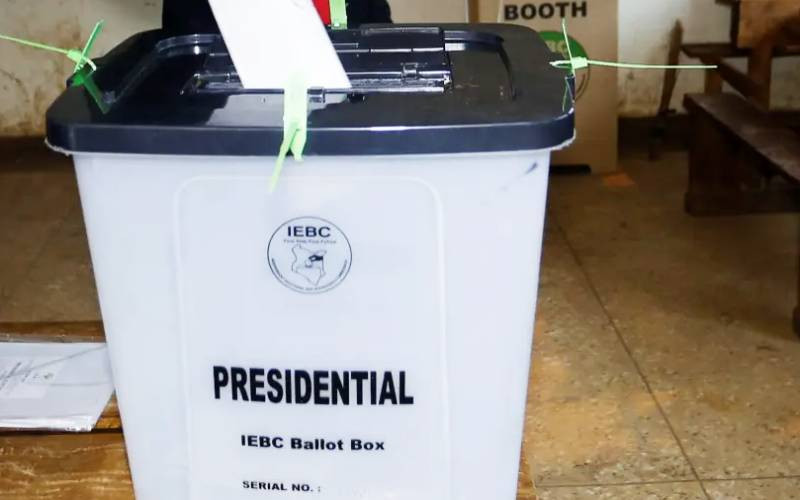
Kiharu MP Ndindi Nyoro has dropped a bombshell revelation, exposing how the Independent Electoral and Boundaries Commission (IEBC) is set to receive more funding than Kenya’s entire road sector in the upcoming budget.
The explosive claim has ignited fierce debate about the government’s spending priorities under President William Ruto’s administration.
Nyoro’s disclosure paints a troubling picture of misplaced priorities, with electoral operations potentially receiving more financial allocation than critical infrastructure development.
The revelation comes amid growing public concern over government expenditure and its impact on essential services.
Public reactions have been scathing, with Mbega taking a philosophical approach: “I’m forgetting everything when I remember lifespan isn’t more than 100 years, all those looting will be gone by 2030.” The comment reflects widespread frustration with perceived corruption among Kenya’s aging political class.
More pointed criticism came from Mwangi, who linked the budget allocation to ongoing corruption allegations: “Corrupt bloodbath, ODM committees looting in treasury department already underway.”
Patrick offered historical context, noting this follows a familiar pattern: “It’s been the norm, the beginning of rigging starts with commissioner vetting to budget allocation.”
The controversy raises serious questions about transparency in election funding and whether disproportionate IEBC budgets could enable potential electoral malpractice.
With Kenya’s road network in dire need of improvement, many citizens are questioning why electoral processes are being prioritized over tangible infrastructure that directly impacts economic growth and daily life.
As the debate intensifies, Nyoro’s expose has positioned him as an unlikely whistleblower within the ruling coalition, potentially straining his relationship with the administration.
The revelation may force a much-needed national conversation about budget transparency and whether Kenya’s electoral body requires such massive funding while critical sectors remain under-resourced.
With public trust in government spending at an all-time low, this latest controversy threatens to further erode confidence in the Ruto administration’s fiscal management. Will this spark meaningful budget reforms, or is it just another scandal that will fade without consequence?
By Nairobi