

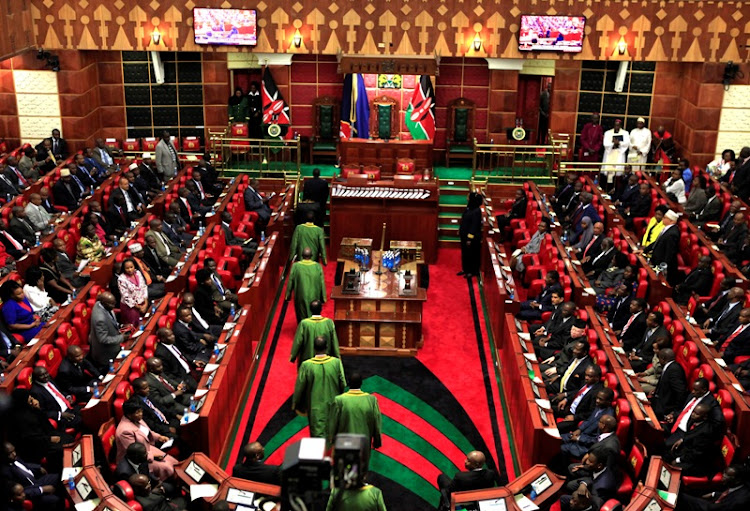
Kenyan politicians who lose elections will not automatically secure a second chance to enter Parliament through party nominations after lawmakers rejected a proposal that sought to create a pathway for unsuccessful presidential and deputy presidential candidates to become Members of Parliament.
The proposal had sought to amend the country’s electoral framework to allow political parties to nominate presidential and deputy presidential candidates who fail to win elections to serve in the National Assembly or Senate through the party-list system.
Had the proposal been adopted, it would have opened another route into Parliament for some of the country’s most prominent political figures, including those who contest the presidency or deputy presidency but fail to secure victory at the ballot.
The proposed arrangement was intended to provide a mechanism through which political leaders could continue participating in national decision-making even after losing a general election.
However, the idea has faced questions about fairness, representation and the purpose of the party-list nomination system, which is primarily designed to ensure special-interest groups receive representation in Parliament.
Under Kenya’s 2010 Constitution, membership of Parliament is determined through elected constituency and county seats, alongside nominated positions allocated to political parties based on their electoral performance.
The proposed changes would have significantly expanded the political opportunities available to defeated candidates, potentially allowing individuals who had sought the country’s highest political offices to find their way into Parliament despite losing the popular vote.
The debate also raises questions about whether political nominations should be used to reward unsuccessful candidates or primarily address representation gaps among groups that might otherwise struggle to secure elective positions.
For presidential and deputy presidential candidates, the proposal would have represented a significant departure from the traditional understanding that losing an election means returning to the political drawing board and preparing for another contest.
It could also have changed the dynamics of party politics, particularly within major political formations that regularly field presidential candidates and seek to maintain the influence of their senior leaders after elections.
The development comes as political parties begin positioning themselves ahead of the 2027 General Election, with potential candidates already engaging in discussions over alliances, nominations and the distribution of political positions.
The party-list system is likely to remain an important part of these discussions because it provides political parties with an opportunity to nominate representatives in accordance with constitutional requirements.
However, any attempt to expand the categories of people eligible for nomination must be considered within the constitutional framework governing parliamentary representation.
The debate over the proposal highlights the continuing tension between political inclusion and the need to respect the wishes of voters expressed through the ballot.
For now, unsuccessful presidential and deputy presidential candidates will have to rely on the existing constitutional and electoral arrangements rather than an automatic parliamentary fallback through the proposed amendment.