

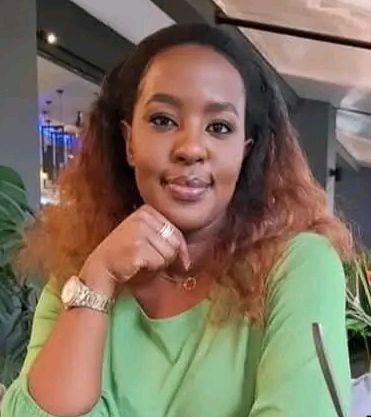
Media personality and former Machakos First Lady Lillian Ng’ang’a has questioned the growing habit of celebrities and influencers sharing private direct messages (DMs) from people who express romantic interest in them.
Lillian raised the issue during an interview with media personality Alex Mwakideu, arguing that private conversations should not automatically become public simply because someone has made an advance.
She said there was an important difference between exposing a person because their messages posed a genuine safety concern and sharing their messages merely because they were trying to initiate a romantic or personal conversation.
“Not unless the DM puts your life at risk and you need to expose the sender,” Lillian said.
She further questioned what motivates people to publish such exchanges when there is no threat involved.
“Posting messages from people who are hitting on you makes me judge y’all and your self-esteem,” she added.
Her remarks come as screenshots of private conversations continue to circulate widely on social media. Celebrities, influencers and other public figures occasionally post DMs they receive from admirers, particularly when the sender is also well known.
Such posts can quickly attract thousands of reactions, with followers commenting on the contents of the messages, identifying the alleged sender or turning the exchange into a topic of public discussion.
In some instances, however, private messages are shared because the recipient believes they contain inappropriate remarks, harassment, threats or unwanted advances. Publicising the messages in such circumstances can be presented as a way of calling attention to the behaviour.
Lillian’s comments focus on a different situation: messages in which someone is simply expressing romantic interest without threatening the recipient.
Her argument has therefore brought attention to the question of where the boundary should be drawn between protecting oneself and exposing another person’s private communication.
Social media has made it increasingly easy for a private conversation to become public. A screenshot can be shared with thousands of followers within seconds, leaving little control over how widely the original exchange is circulated.
The issue can become even more sensitive when the person whose messages are exposed is a public figure. What might ordinarily have remained a private interaction can quickly turn into entertainment and attract speculation from social media users.
Lillian did not argue that every DM should remain private regardless of its contents. Instead, her remarks specifically highlighted situations where there is no apparent safety threat and the sender is simply making a romantic approach.
Her comments add to the wider conversation about privacy, consent and responsible use of social media, particularly as more personal interactions move online.