

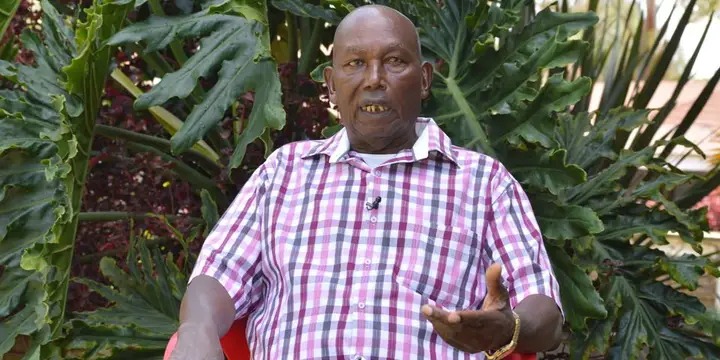
Veteran Kenyan communicator Lee Njiru has stirred fresh debate after reminding Ugandan President Yoweri Museveni of a critical moment during the Uganda Bush War when the Kenya Air Force secretly flew him into Uganda. Njiru, who served as the long-time press secretary to the late President Daniel arap Moi, made the revelation while reflecting on the deep but often hidden ties between Kenya and Uganda during the turbulent 1980s.
Njiru disclosed that during the height of Museveni’s rebellion against the Milton Obote regime, Kenya quietly extended support that went beyond diplomacy. According to him, a Kenya Air Force Buffalo aircraft airlifted Museveni and facilitated his movement to the Luwero Triangle, the centre of the National Resistance Army insurgency. This gesture, he noted, was part of a broader regional effort to help stabilize Uganda as conflict escalated.
The former presidential aide expressed surprise that Museveni rarely acknowledges Kenya’s covert assistance, despite it being pivotal in his journey to power. Njiru questioned why the Ugandan leader would speak harshly about Kenya when the country played a direct role in supporting his wartime efforts. He stated that such moments should not be forgotten, especially by those who benefitted from them.
Njiru’s remarks also highlight the little-known cooperation between President Moi and emerging regional leaders at the time. He has previously detailed how Moi maintained discreet communication channels with Museveni and other influential figures, shaping political outcomes across East Africa. His latest reminder adds a new layer to the complex history linking the two nations.
The revelation has reignited conversations about the extent of Kenya’s involvement in Uganda’s liberation struggle and the long-standing expectations of mutual respect between the two neighbours. While Museveni’s rise is often narrated from a purely Ugandan perspective, Njiru’s account underscores Kenya’s silent but strategic role during a defining chapter in East African history.
As regional politics continue to shift, Njiru’s statement serves as a reminder that past alliances and sacrifices carry weight. His message to Museveni is simple but powerful — history should be remembered, and friendships built in difficult times should not be taken for granted.
By Nairobi