

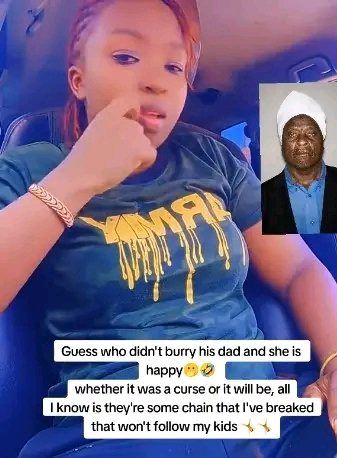
A 25-year-old Kenyan woman, Emmy Hulda, has sparked widespread discussion online after opening up about a painful experience involving her late biological father.
In a series of social media posts, Emmy recounted how her relationship with her father changed as she grew older. She described him as a supportive parent during her childhood but said their relationship later took a disturbing turn when, according to her account, he began making inappropriate sexual advances towards her.
Emmy said the experience left her deeply hurt and affected her relationship with him. Eventually, she made the difficult decision to cut off contact with her father and maintain her distance.
She also revealed that the experience influenced several personal decisions about her future. Emmy said she had resolved that her dowry would never be paid to her father and that she would not name any of her children after him.
For her, the decisions represented a conscious break from traditions and expectations that could have otherwise maintained a connection with someone she said had caused her significant emotional pain.
Following her father’s death, Emmy said she came under pressure from relatives to attend his burial. However, she made it clear that she would not attend the funeral, standing by the decision to remain separated from him even after his death.
Her revelations have generated mixed reactions online. While some users have expressed sympathy and supported her decision to prioritise her emotional wellbeing, others have questioned whether such deeply personal family matters should be discussed publicly.
The story has nevertheless opened up wider conversations about family boundaries, cultural expectations and the long-lasting effects of childhood trauma.
Emmy has not shared further details about the allegations, leaving much of the matter within the private sphere of the family. Her account, however, continues to circulate online and has resonated with conversations about how survivors navigate painful family histories while trying to heal and reclaim their lives.