

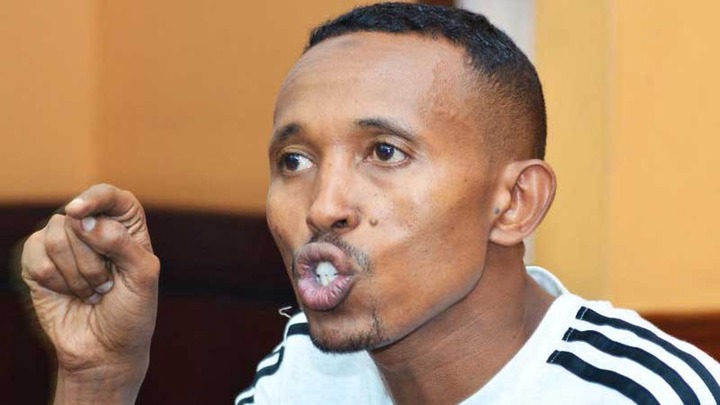
Former investigative journalist and current Nyali Member of Parliament Mohamed Ali has broken his silence regarding the murder case of late teacher and blogger Albert Ojwang.
Ali declared that recent court revelations and recovered surveillance recordings have thoroughly debunked initial official claims surrounding the tragic death.
Speaking through a detailed statement on his official social media platform, the lawmaker noted that a year of delayed justice is finally giving way to truth. He emphasized that critical questions raised when the case first surfaced were initially dismissed by state authorities.
“The curtain is slowly coming down on Albert Ojwang’s murder case,” Ali stated, reflecting on the ongoing proceedings. “The cover-up story we were sold has now been debunked, and police brutality comes to light once again.”
The former investigative reporter urged judicial agencies to ensure that everyone connected to the incident faces full legal accountability. He asserted that the circumstances surrounding Ojwang’s demise point toward high-level involvement that must be thoroughly investigated without bias.
Ojwang, a 30-year-old educator known for his active commentary on social media, died while held in police custody in Nairobi after his arrest in June 2025. While initial police reports suggested self-inflicted harm, subsequent forensic autopsies revealed severe physical trauma consistent with assault.
May be an image of one or more people and text that says ‘TUKG Mohamed Ali highlights troubling cover-up in the Ojwang – Story below’The ongoing trial at the Kibera High Court has recently featured crucial evidence presented by the Independent Policing Oversight Authority (IPOA). Forensic investigators revealed that hundreds of gigabytes of formatted CCTV footage were successfully recovered from the police station’s digital storage systems.
Court testimony indicated that station surveillance power cables were abruptly disconnected and hard drives wiped shortly after Ojwang was booked into custody. However, restored recordings presented in court tracked the late teacher’s final documented movements within the holding facility.
Several individuals, including former station commander Samson Talaam and station officers, are currently facing murder charges in connection with the fatality. All accused persons have pleaded not guilty as prosecution teams continue laying out digital and testimonial evidence.
Mohamed Ali’s public intervention highlights renewed civic and political pressure surrounding custodial safety and law enforcement reforms across the country. Human rights organizations continue to monitor the case closely, citing it as a critical test for institutional transparency.
As digital forensic evidence continues to reshape the narrative inside the courtroom, the public remains focused on the ultimate trial outcome. The proceedings serve as a sobering reminder of the vital role played by independent oversight in upholding constitutional rights.