

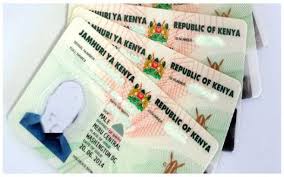
In a significant legal development, the High Court has suspended the implementation of the Maisha Card, a new digital identity card introduced by the government, pending a decision on a petition filed by a Garissa-based lobby group. This decision marks a critical moment in the ongoing debate over digital identity systems and their implications for citizens’ rights and privacy.
Background of the Maisha Card
The Maisha Card was announced as a replacement for existing identity documents, intended to streamline various services and functions by consolidating personal data into a single digital format. The government projected that the card would be renewed every ten years, integrating multiple services such as healthcare, social welfare, and financial transactions into one platform. This initiative aimed to enhance efficiency and reduce bureaucratic hurdles in accessing public and private services.
However, the introduction of the Maisha Card has been met with substantial public and legal scrutiny. Concerns have been raised about data security, privacy, and the implications of having such a comprehensive digital record linked to a single identifier. Critics argue that the system could be vulnerable to misuse and breaches, potentially exposing sensitive personal information.
The Petition and Court’s Decision
The petition challenging the Maisha Card was filed by a lobby group from Garissa, which argues that the new system infringes on citizens’ rights and lacks sufficient safeguards. The petitioners have raised several key issues, including the potential for abuse of personal data, lack of transparency in how the data will be managed, and the implications of mandatory renewal every ten years.
In response to the petition, the High Court issued an order suspending the implementation of the Maisha Card. This suspension will remain in effect until the court has thoroughly examined the petition and made a ruling on the matter. The court’s decision highlights the need for a careful and considered approach to implementing new digital identity systems, ensuring that they do not violate constitutional rights or fail to address significant concerns regarding privacy and security.
Implications of the Suspension
The court’s suspension of the Maisha Card has several implications:
- Legal and Procedural Repercussions: The suspension halts any further steps towards the card’s rollout and gives time for a detailed examination of the legal challenges presented. It emphasizes the judiciary’s role in overseeing and ensuring that new government initiatives comply with constitutional and legal standards.
- Public Confidence: The suspension may impact public perception of the Maisha Card and similar digital identity initiatives. It underscores the necessity for transparency and public engagement in the development of such systems, which are critical in maintaining trust and acceptance among citizens.
- Government Response: The government will need to address the concerns raised by the petitioners, potentially leading to revisions in the Maisha Card’s design and implementation. This could involve enhancing data protection measures, improving transparency, and providing more robust legal frameworks to safeguard citizens’ rights.
- Broader Impact: The case could set a precedent for how digital identity systems are evaluated and implemented in the future. It highlights the importance of balancing technological advancements with fundamental rights and freedoms, ensuring that innovation does not come at the expense of privacy and security.https://nation.africa/kenya/news/high-court-stops-implementation-of-maisha-card-4702756
The High Court’s decision to suspend the Maisha Card’s implementation represents a critical juncture in the ongoing discourse on digital identity systems. It reflects the judiciary’s commitment to scrutinizing government initiatives and protecting citizens’ rights. As the court continues to deliberate, the outcome will likely shape the future landscape of digital identity management and its alignment with fundamental democratic principles.
By Kapenda