

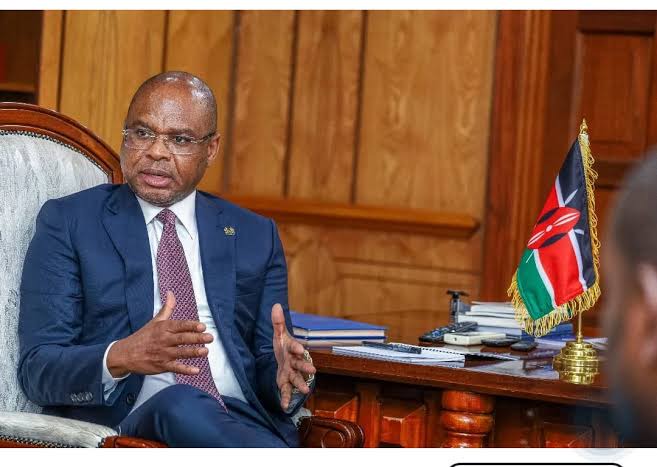
Amason Kingi’s remarks about former President Uhuru Kenyatta and President William Ruto have sparked fresh discussion about the changing relationship between Kenya’s national leadership and the Coast region.
According to Kingi, Uhuru Kenyatta would sometimes travel to the Coast by helicopter simply to check on his farm before returning. The statement was made while highlighting what he considers a different approach under the current administration.
The comparison raises an important question: How much attention should a president give to a region during their time in office?
For many Coast residents, frequent visits by the Head of State are significant because presidential presence is often associated with development projects, government programmes and closer engagement with local communities.
Kingi appears to be using the contrast to emphasize President Ruto’s repeated visits to the Coast. He argues that the current administration has demonstrated a stronger physical presence in the region, particularly through development-related activities.
However, presidential visits should not be judged by frequency alone. What matters most is whether those visits result in practical improvements in the lives of ordinary citizens.
The Coast region has long raised concerns about land ownership, unemployment, infrastructure, healthcare, education and economic opportunities. These issues require sustained government attention rather than occasional political appearances.
At the same time, leaders have a responsibility to recognize developments that benefit their regions. If government projects are being implemented, residents deserve to know what has been achieved, what remains unfinished and when they can expect results.
Kingi’s statement therefore provides an opportunity to look beyond political comparisons. The real measure of leadership should be the impact felt after the presidential convoy leaves.
A president can visit an area many times without changing the lives of its people. Conversely, a single well-planned intervention can transform an entire community if properly implemented.
As Kenya approaches another politically important period, such comparisons are likely to become more common. Leaders will increasingly point to their records and criticize those of their predecessors.
For citizens, however, the focus should remain simple: development, accountability and tangible results.